Ninja Pro XL emerges best air fryer
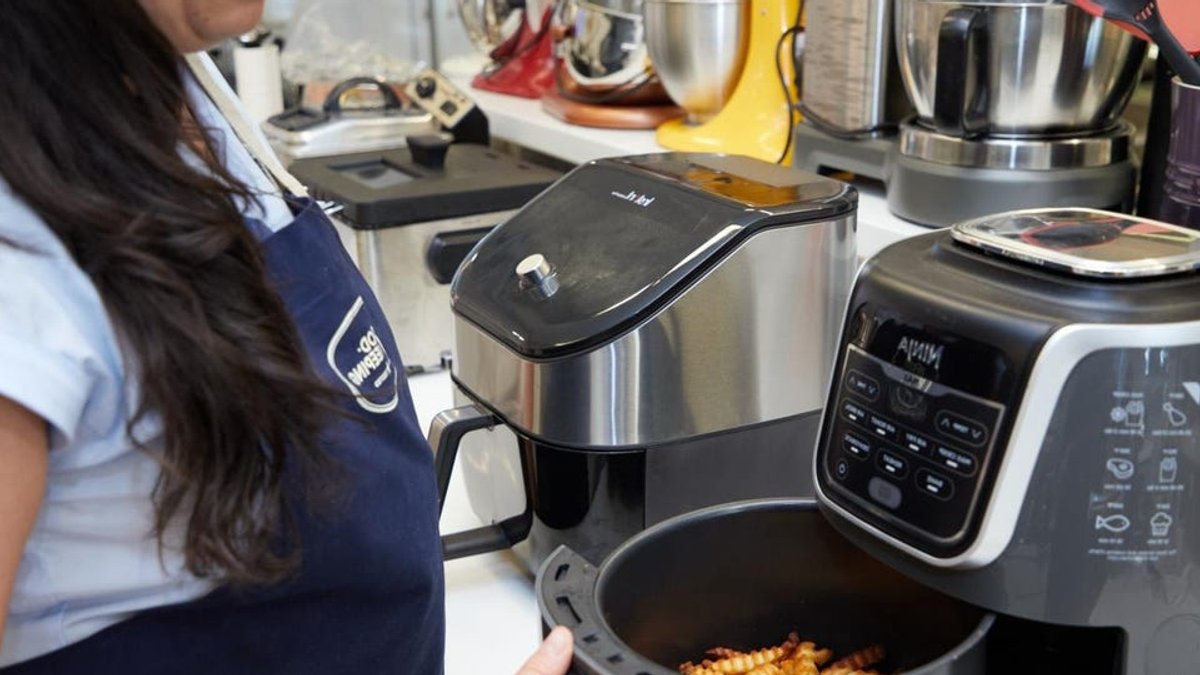
The latest air fryer tests confirm that Ninja’s dominance in kitchen appliances persists, but the category has shifted toward refined designs rather than radical new features. After putting 14 models through rigorous lab evaluations, one device emerged as the best overall—the Air Fryer Pro XL, now in its fifth year of testing. Though it retains the same core strengths, its updated square basket and expanded footprint mark a departure from the narrower version that preceded it.
What sets the Pro XL apart is its ability to balance cooking power with precision. At a peak temperature of 450°F, it achieves even browning without scorching, producing fries with perfectly crisp exteriors and tender interiors. Chicken wings cooked evenly thanks to its 6.5-quart capacity, which comfortably serves four to six people in a single batch. The nonstick basket slides in and out with minimal effort, though its dishwasher-safe design comes at the cost of a bulkier footprint compared to earlier versions.
Compact 4-Quart Model Shines for Small Kitchens
For those with limited counter space, the 4-Quart Air Fryer delivers the same reliability in a more compact package. It supports the same four cooking functions—air fry, dehydrate, reheat, and roast—with a temperature range spanning 105°F to 400°F, covering nearly all common recipes. Testers confirmed that fries and wings emerged evenly cooked despite the smaller basket, though a grilled cheese sandwich lost its structural integrity due to the fan’s force. The touchscreen interface and preset programs make it particularly user-friendly for beginners.
Glass-Vessel Crispi Offers Flexible Storage
A more flexible option is the Crispi, Ninja’s glass air fryer, which replaces traditional baskets with interchangeable glass vessels that double as storage containers. The smaller 6-cup vessel reheats office lunches faster and with better texture than a microwave, while the 4-quart version can cook meals for up to four people. However, the glass components retain heat longer than metal baskets, creating a higher risk of burns during handling.
Dual-Basket Foodi Handles Full Meals
The Foodi 6-in-1 8-Quart 2-Basket Air Fryer targets larger households with its dual-basket system, allowing two dishes to cook at different temperatures simultaneously. The Smart Finish feature ensures both sides complete cooking at the same time, while Match Cook lets users replicate settings across baskets. Its temperature range of 105°F to 450°F and intuitive controls make it highly versatile, though its size requires more counter space. Testers confirmed it could prepare an entire meal without needing additional appliances.
Testing Methodology: Frozen, Delicate, and Ease
Performance evaluations focused on three key areas: handling of frozen foods, treatment of delicate items like grilled cheese, and overall ease of use. Wings and fries were assessed for crispness and even browning, while mozzarella sticks and sandwiches revealed how well each model managed heat distribution. Cleaning efficiency and control layout were also critical factors, some models, such as the Foodi Digital Air Fryer Oven, struggled with residue despite their toaster oven capabilities.
The Pro XL’s continued leadership stems from more than just raw power. While newer variants like the Pro XL Air Fryer—a 6.5-quart sibling, burned fries and grilled cheese during testing, the Pro XL’s improved heat distribution set it apart. The shift to a square basket addressed a persistent issue: uneven cooking in corner-heavy designs. Even the Crispi Pro 6-in-1, a larger glass version, proved cumbersome despite its storage advantages.
Choosing the right air fryer depends largely on household size and material preferences. A 2- to 4-quart model suits single or dual-person households, while 6-quart units accommodate four people, and 8- to 10-quart models handle larger gatherings. Material differences, nonstick baskets for durability, glass for visibility, also affect performance. The Pro XL’s nonstick coating outperforms some glass alternatives in preventing sticking, though glass vessels offer post-cooking storage benefits.
Not all models met expectations. The French Door Premier Air Fryer Toaster Oven burned toast and fries, while the Flexbasket Air Fryer failed to crisp wings effectively. The Double Stack XL, despite its space-saving design, showed inconsistent results between its top and bottom drawers. These failures highlight how minor design flaws can compromise even high-capacity units.
Ninja’s long-term testing reveals a trend toward gradual improvements over time. The Pro XL’s updates, such as the square basket and expanded capacity, reflect years of user feedback, while the Crispi’s glass design caters to those prioritizing portability and visibility. The 4-Quart model proves that smaller size does not mean weaker performance, and the Foodi 6-in-1 demonstrates that dual-basket designs excel when paired with smart cooking features.
The Foodi Flexbasket Air Fryer’s divided basket failed to deliver on its versatility promise. Despite its 7-quart capacity and adjustable cooking zones, wings emerged undercooked in the Mega Zone setting, and the divided sections struggled to maintain consistent temperatures. The model’s innovative design ultimately underperformed in practical testing, reinforcing that flexibility does not always mean better results. In contrast, the French Door Premier Air Fryer Toaster Oven’s professional appearance masked its inability to regulate heat effectively. Toast, cake, and fries all burned during tests, proving that advanced styling does not guarantee reliable functionality.


