Tested: Nine border forks for heavy soil
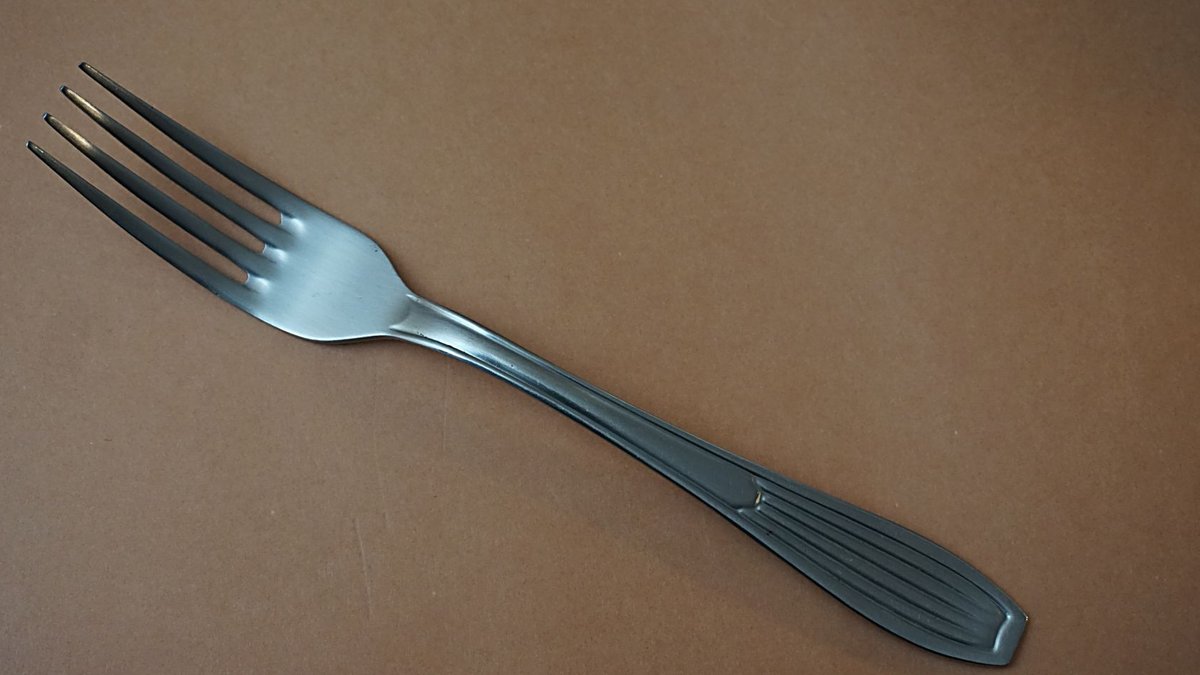
Gardeners know that a border fork is one of the most essential tools in the shed, but finding the right one can be confusing. These narrower, lighter versions of the standard garden fork allow you to work in tight spaces and dig for longer without fatigue. We tested nine different models to see how they performed on rocky, heavy soil, incorporating manure, and creating a fine tilth for planting.
What to look for in a border fork
When selecting this tool, strength is the primary consideration. The best forks are built to penetrate compacted ground and handle rocks and roots. Carbon steel is usually made from a single piece of forged metal, whereas stainless steel often joins two parts at a welded point. That connection can be a weak spot, so look for a long socket—the metal joining the head to the shaft—to reduce stress on the joint.
Different materials also suit different soil types. Carbon steel tines are excellent for breaking up rough, stony ground because they drive down with more weight. Stainless steel tines are sharp, thin, and shiny, allowing soil to slide off easily, which makes them great for turning over soil and incorporating compost. However, they may struggle with very heavy soils.
Handles are usually made of ash wood for a comfortable grip in all weather conditions, though fibreglass and metal are also available. The shape is a matter of preference; T-shaped handles offer versatility, while D- and Y-shaped handles are common and generally comfortable. Rivets that sit flush with the shaft help prevent snagging during the lift and turn phase of digging.
Because these tools are the pioneers of garden work, the design needs to cover three main stages: driving down, lifting and turning, and breaking up lumps. A good all-rounder will perform well in all of these areas. For gardeners dealing with poor drainage or heavy clay, having the right tool to break the ground down before planting is the difference between a garden that thrives and one that struggles to produce anything.
Top performers and their specific strengths
The Burgon & Ball Border Y-shaped Fork offers an excellent all-round performance. It features a chunkier digging head that provides decent weight to drive into heavy soils without being tiring to the wrists. The mirrored stainless steel shrugs off soil, and the long socket adds strength for confidence while digging.
For a traditional look, the Border fork T-handle – Crocus by De Wit stands out. Hand-forged from a single piece of 8mm carbon steel, this tool has a long shaft for leverage. The wide, slightly curved tines are great for scooping up soil and transplanting, though the shorter socket means it should not be used to lift heavy boulders.
The Hawkesbury Border Fork is praised for its comfortable action. It has sharp, shiny stainless steel tines that are narrowly spaced and well-balanced. The smooth ash Y-shaped handle and flush rivets make it ideal for working regular garden soil into a crumbly tilth.
The Sneeboer Border Fork is a premium choice that doubles as a spade. It features teeth-like tines that drive into the hardest soils effortlessly. The wide, flat, short tines mean it can do almost anything a spade can.
The Stainless Steel Border Fork features a signature long-lipped socket designed to increase straining strength. Its filled Y-shaped handle is sturdy, though it may be a bit small for larger hands. It comes with an impressive 20-year guarantee.
The Wilkinson Sword Carbon Steel Border Fork combines strength with lightness. It is well-balanced with flush rivets, making it comfortable to hold when levering soil. The green epoxy-coated tines are not the sharpest but drive down well into tough ground, though they are not ideal for transplanting.
The Spear & Jackson Kew Gardens Collection Neverbend Stainless Border Fork is so light that arms won’t get sore. It creates a crumbly tilth easily, though its fine tines make it less suited to heavy ground or breaking up large rocks.
The Roamwild Multi-Digger Fork stands out for its power. With a 0-shaped fibreglass handle and a heavy-duty powder-coated carbon head, it drives down into the ground with the most force of all the tested models. The two central tines meet at a point to prevent stones from getting stuck, and the angled handle ensures you push directly over the tines.
Draper Heritage Stainless Steel Border Fork with Ash Handle uses a unique angled design to increase power. The shaft is angled slightly forward of the tines, which really helps when levering soil upwards. The tines are quite thick and substantial, so they won’t bend on a rock, though the larger fork head could make repeated lump bashing tiring over time.
Choosing between carbon and stainless steel
The choice between steel types depends on the specific demands of your garden. This makes them ideal for breaking up rough, compacted, or stony ground. However, carbon steel is prone to rust if it is stored in a dry place. A quick brush with wire wool can restore the metal if corrosion does occur.
Stainless steel offers a different advantage with its shiny, smooth surface. This finish allows soil to slide off easily, making the tool effective for turning over soil and incorporating compost. The tines are sharp and thin, which helps when breaking up lumps. This type of steel is rust-resistant and requires very little maintenance. However, stainless steel may struggle more with very heavy soils compared to its carbon counterpart.
Caring for your border fork
The longevity of a border fork relies on proper care and maintenance. Fork heads are typically made from carbon or stainless steel, both of which are extremely tough materials. Stainless steel is the preferred option for those seeking low maintenance because of its rust-resistant properties. Carbon steel offers strength but demands more attention to prevent deterioration.


