Spot These 6 Autumn Garden Birds in the UK
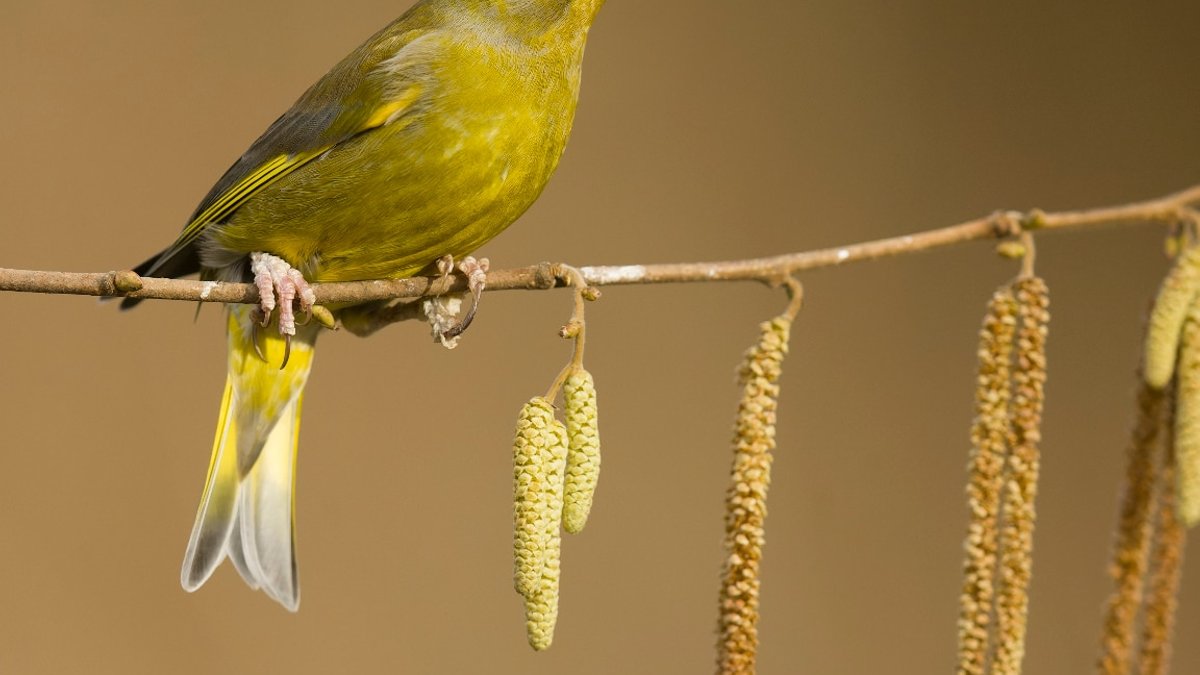
As summer fades into autumn, shorter days and cooler temperatures signal a shift in the bird visitors that grace UK gardens. Migrating and wintering species begin their journeys, drawn to hedgerows, trees, and seedheads that offer vital food sources. Gardens rich in berry-laden shrubs, intact seedheads, and clean water become havens for these birds. The RSPB highlights six species worth watching this autumn, from the curious magpie to the majestic Sparrowhawk, as leaves fall and new arrivals arrive.
The Greenfinch: A Colorful Seed-eater
One of the first birds to increase in gardens as temperatures drop is the greenfinch. Males are easily recognized by their olive-green plumage and distinctive yellow wing flashes, while females and juveniles appear more brown but retain the yellow streak. These birds boast a chunky beak suited for cracking seeds, often visiting bird feeders but also feeding on seeds from natural sources like borage, haws, rosehips, and blackberries.
Greenfinches produce a melodic song featuring a unique “wheezing” note that distinguishes them from other seed-eaters. However, their populations in gardens have declined in recent years due to trichomonosis, a disease spread by parasites. Affected birds should prompt gardeners to temporarily remove feeders to prevent further transmission. It provides guidance on identifying and managing this disease.
The Dunnock: A Hedge-Bound Survivor
The dunnock, another common garden resident, is frequently mistaken for the house sparrow due to their similar size and brown plumage. Unlike sparrows, dunnocks have a thin, pointy beak and a blue-grey head and breast. Their nervous, tail-flicking gait and preference for flower bed edges or shrubbery set them apart. These birds thrive on insects and spiders, often scavenging dropped mealworms or suet from feeders.
Read Also: Expert reveals foolproof tulip planting tips
Dunnocks exhibit a complex social structure in their mating habits. While most birds breed in pairs, dunnocks engage in polyamorous relationships, commonly forming trios of two males and one female. This arrangement allows both males to help rear offspring, while females benefit from increased parental care. Males with multiple mates increase their chances of passing on genes, making this fluid system evolutionarily advantageous.
The Jackdaw: A Social Urban Adapter
The jackdaw, Britain’s smallest crow species, is a frequent visitor to gardens, recognizable by its silvery head and pale blue-grey eyes. These birds form lifelong pairs that gather in larger flocks during winter, their noisy calls echoing overhead. Jackdaws are intelligent and adaptable, often nesting in chimneys, church towers, or nestboxes. Their diet is varied, including seeds, fruit, insects, carrion, and even stolen eggs from other birds’ nests.
In autumn, jackdaws readily scavenge food scraps from bird tables or lawns. Their ability to thrive in human-altered environments makes them a familiar sight.
The Sparrowhawk: A Forest Predator in Urban Spaces
The sparrowhawk, one of the UK’s most agile birds of prey, has increasingly adapted to urban environments, hunting in gardens where small birds congregate. Its slender build and “flap-flap-glide” flight pattern distinguish it from kestrels, which hover in place. Females, larger than males with brownish plumage, target prey like blackbirds and starlings, while males go for smaller birds such as finches and tits.
Read Also: New Telescopic Pruners Offer Safer Tree Trimming
Sparrowhawks are still recovering from 20th-century declines caused by pesticides and persecution. Their numbers remain tied to songbird populations, serving as indicators of local ecosystem health. The close relationship between sparrowhawks and their prey highlights the balance of urban wildlife communities.
The Magpie: A Misunderstood Symbol
The magpie, with its striking black-and-white plumage and long tail, is unmistakable in any garden. Its glossy blue and green markings and bold behavior have long fascinated humans, inspiring folklore and superstition. Historically viewed as omens of sorrow or mischief, magpies are actually intelligent and curious creatures. They form monogamous pairs and adapt well to urban life, scavenging for food like beetles, worms, fruit, and household scraps.
The collared dove, a relatively recent UK arrival since the 1950s, is easily identified by its distinctive black neck collar. These gentle birds, known for their soothing “coo-COO-coo” call, feed on seeds and create “pigeon milk” to nourish their young. Their ability to raise multiple broods annually has helped them spread widely. Observing their courtship displays, where males glide from high perches, offers a rewarding glimpse into their behaviors.
The Collared Dove’s Ancient Name and Modern Presence
The collared dove’s scientific name, Streptopelia decaocto, carries a tale from Ancient Greece. According to the legend, a maid was paid eighteen pieces of silver annually. Praying for her plight to be remembered, she was transformed by Zeus into a dove whose call forever echoes “deca-octo,” meaning “eighteen” in Greek.


