Crops thrive in partial shade gardens
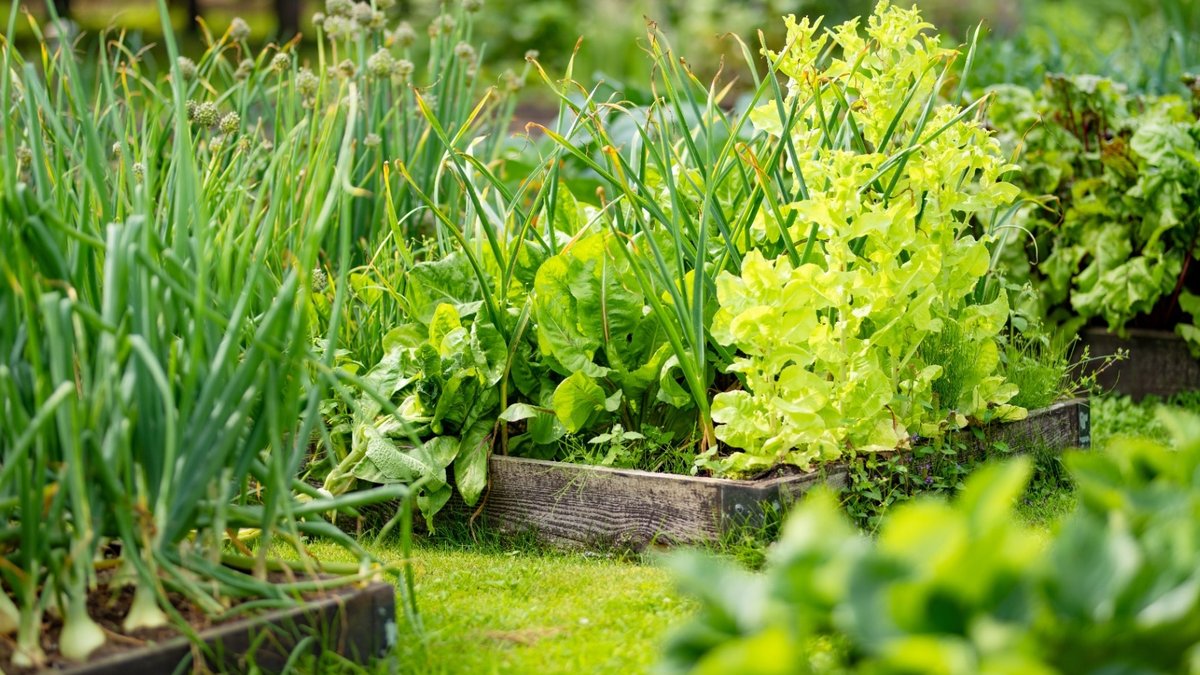
A kitchen garden doesn’t need full sun to be productive. While some crops, such as tomatoes and courgettes, thrive in direct sunlight, many root crops, leafy vegetables, and herbs can perform well with less. Partial shade, typically defined as 3-6 hours of direct sunlight per day, can be optimal for some crops, helping them avoid intense afternoon sun.
Spinach is a great choice for a partially shaded garden, as it prefers cool conditions and can be harvested continually by picking outer leaves. Sowing spinach in small batches can extend the harvest period. A popular variety, Spinach ‘Matador’, is known for its vigour and abundant harvests of crinkled, emerald-green leaves with a rich, savoury flavour.
Crops for Partial Shade
Swiss chard is another crop that can tolerate partial shade and produces brightly colourful stems that are both ornamental and delicious. It prefers fertile, moisture-retentive soil and should be harvested by picking outer leaves to keep the plant flourishing. Varieties like ‘Bright Lights’, ‘Fordhook Giant’, and ‘Rhubarb Chard’ are good options.
Radishes are fast-growing and don’t require full sun to produce. They can be sown directly into finely prepared soil and thinned if necessary. Afternoon shade can be helpful in summer, as high temperatures can cause the plant to bolt or the roots to become too hot. ‘Cherry Belle’ is a fast-growing variety that can be used for successional sowing.
Lettuce leaves prefer being protected from the hottest afternoon sun and don’t need continuous sunshine. Growing lettuce in partial shade can help keep the leaves tender and prevent bolting. Loose-leaf varieties are a good choice, as they can be harvested easily by picking individual leaves.
Read Also: Gardeners Favor Japanese Anemones for Late-Summer Color
Beetroot can tolerate partial shade, although the roots may grow more slowly without full sunlight. The foliage can be used like spinach, and the roots can be harvested when tender and young. Sowing beetroot seeds directly into well-drained and fertile soil is recommended, with regular watering during dry spells.
If carrots are grown in full sun, they will mature more quickly, but that’s not to say that they can’t be grown in partial shade. The real dealbreaker with carrots is the soil — ensure that it’s loose and stone-free so that the roots can develop properly. If you are planting carrots in a partially shaded area, select shorter or early varieties, which are more suitable, and sow them directly into the ground rather than transferring them as it’s best not to disturb the roots. Keep the soil evenly moist whilst the seedlings establish. Carrot ‘Amsterdam Forcing’ Carrot ‘Nantes’Carrot ‘Adelaide’
Peas are another crop that can thrive in partial shade, especially during the hottest part of the year. They need protection from intense weather and should be planted with supports like trellises or netting. Regular watering, especially during flowering, is essential to encourage continuous harvesting.
Kale plants are adaptable and resilient, making them perfect for extending harvests into winter. They don’t need as much sun and should be planted in fertile soil with enough space to develop. Harvesting the lower leaves first, while leaving the centre of the plant intact, can encourage continuous growth and production.
Optimizing Partial Shade Gardens
Organic matter improves soil, helping crops grow in shady conditions. Regular watering is also essential, especially during dry spells. Crops grown in shade grow more slowly, so reducing stress is vital.


