America’s hidden infrastructure is shade
Los Angeles installed a 10-foot-tall magenta steel panel at a bus stop in 2023. The city called it shade infrastructure. Critics compared it to a spatula.
The project, named La Sombrita, was intended as a prototype for cooling bus riders across LA County. Permitting hurdles and narrow sidewalks reduced it to a single perforated metal pole, missing seating, a canopy, and a digital screen originally planned.
Sam Bloch’s book, Shade: The Promise of a Forgotten Natural Resource, describes this kind of outcome as more than a design misstep. Heat causes more deaths in the U.S. each year than floods, hurricanes, or wildfires, yet it receives far less attention. The issue stems partly from heat’s lack of visual impact. It doesn’t uproot trees or flood tunnels. Instead, it claims lives quietly—farmworkers in vineyards, people without housing on sidewalks, elderly residents in apartments without cooling.
Heat’s invisible toll
The neglect of shade reflects a broader change in how Americans experience summer. Mid-century air conditioning turned cooling into a private benefit rather than a public service. Most people now move between air-conditioned spaces—homes, cars, offices—without relying on shared shade. This isolation weakens collective resilience to heat.
Maria Isabel Vasquez Jimenez, a 17-year-old farmworker, died in 2008 after collapsing in a California vineyard during a 95-degree day. Her death led to new state regulations, though enforcement remains inconsistent. Many undocumented workers, who form a large part of the agricultural labor force, avoid reporting unsafe conditions due to fear of retaliation. The U.S. military, by contrast, has developed heat-safety protocols for recruits over decades, including acclimatization periods and hydration rules based on wet bulb globe temperature, which accounts for humidity and wind. No such federal standards exist for civilian outdoor workers.
The disparity wasn’t accidental. Bloch connects it to zoning laws that favored light and air over shade, a legacy of early 20th-century reformers who associated darkness with crime. In Los Angeles, police once justified removing trees in Watts by claiming canopies provided cover for criminals. The policy left bus riders, students, and unhoused residents with fewer places to escape the sun.
Related: Springsteen’s music legacy gets a home
Shade determines survival, not just comfort. Solutions include rest breaks, shaded work areas, and passive cooling in buildings. Implementing them requires treating shade as infrastructure, not an optional feature.
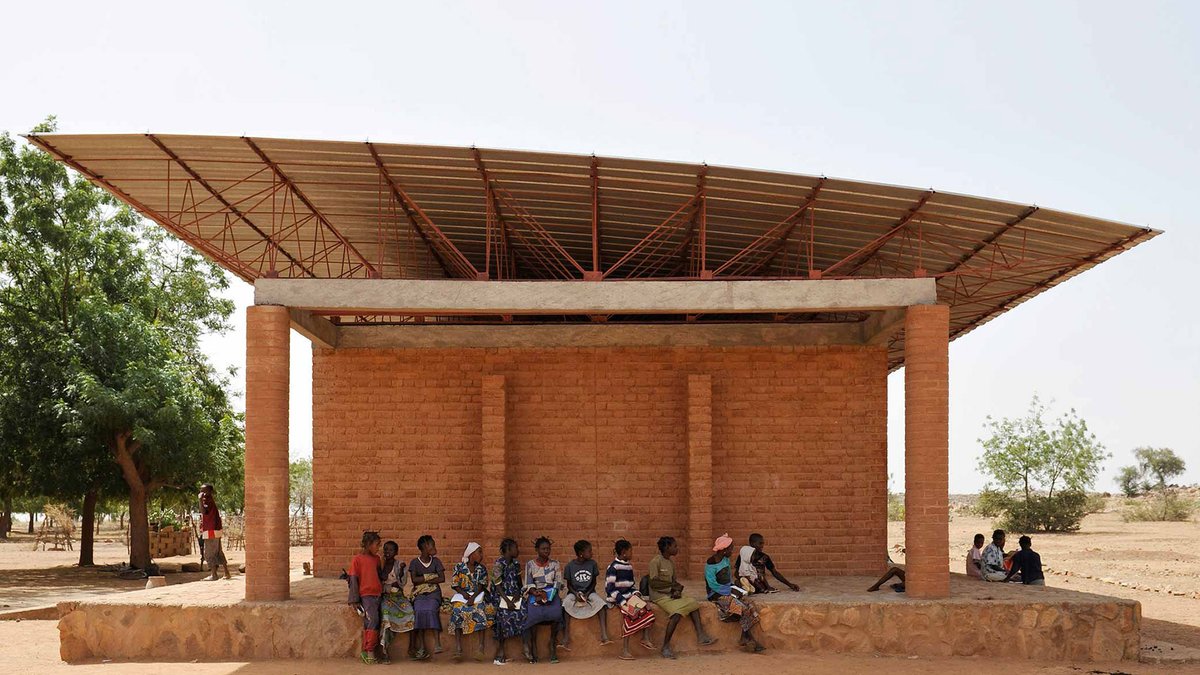
For farmworkers, this might mean repurposed cotton trailers as break areas. For urban residents, it could involve wider sidewalks, more trees, or bus shelters that provide real protection from the sun.
Cities are beginning to respond, though progress remains slow. The aim isn’t just to cool streets but to establish shade as essential infrastructure, like sidewalks or streetlights.
The obstacle isn’t technical. It’s political. Heat doesn’t mobilize voters the way hurricanes do. Its victims are often overlooked—migrant workers, elderly people in poorly insulated homes, residents of neighborhoods designed to absorb heat. As temperatures climb, the real issue isn’t whether cities can afford to build shade. It’s whether they can afford to ignore it.
Efforts to address this gap often overlook simple solutions. A home office powered independently demonstrates how small-scale adaptations can improve resilience without relying on large infrastructure projects.


