Tips for growing healthier hydrangeas
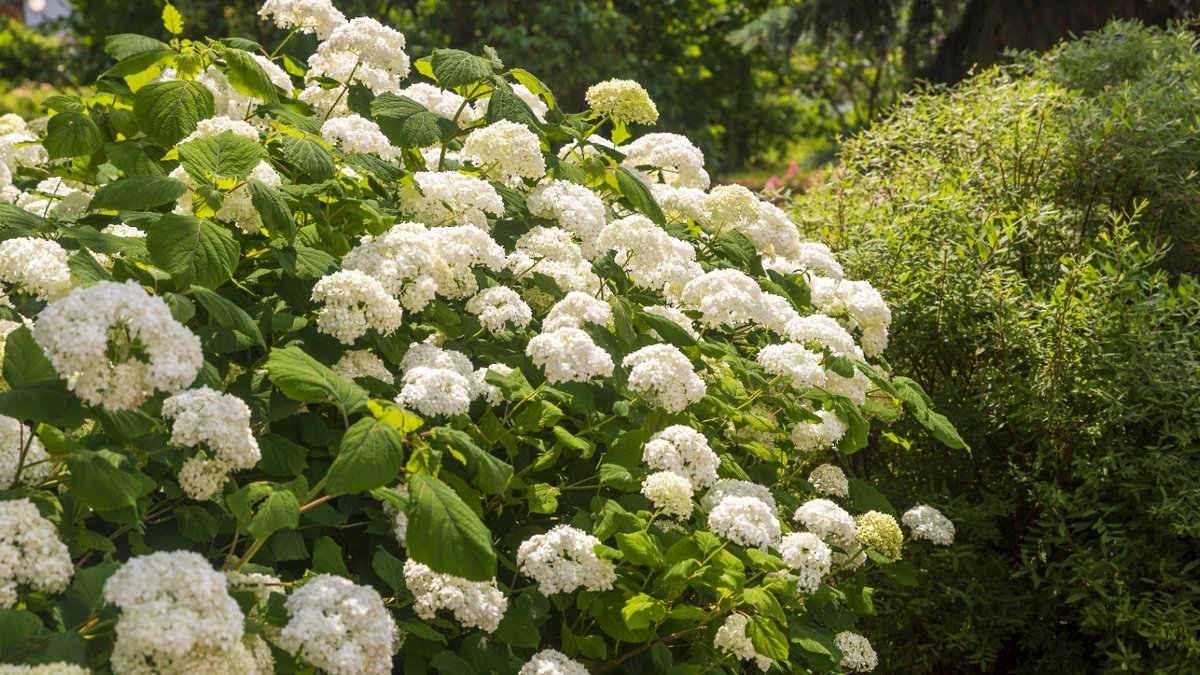
Hydrangeas are a popular choice for gardeners due to their stunning flowers and versatility. They thrive in sun or dappled shade and produce beautiful blooms throughout the summer and into autumn. With proper care, hydrangeas can be a luxurious addition to any garden or container.
According to Rachel Maiden, an expert from Ashwood Nurseries, hydrangeas are generally low-maintenance plants that require minimal aftercare. However, they can be sensitive to dry weather and may wilt if not watered properly. It is essential to water them in the morning or evening, and to avoid overwatering, which can be detrimental to the plant.
Soil Preparation and Care
Hydrangeas prefer fertile, moisture-retentive, well-drained soil that is rich in organic matter. The ideal pH for hydrangeas is between 5.5 and 6.5. Soil pH is particularly important for bigleaf and mountain hydrangeas, as it affects the color of the flowers. Acidic soils produce blue blooms, while more alkaline soils produce pink flowers.
A soil test is the best starting point for preparing the soil for hydrangeas. This can be done by ordering a soil test kit, which will provide information on pH, nutrient levels, and soil structure. Before planting, it is essential to incorporate generous amounts of organic matter, such as homemade compost or leaf mold, into the top soil. This will improve fertility, moisture retention, and drainage, and encourage healthy root development.
When planting hydrangeas, it is necessary to loosen the soil over an area two to three times wider than the root ball. The plant should be planted at the same depth as it was growing in the container. Avoid applying excessive amounts of fertilizer at the planting stage, as this can damage young roots. Instead, add a layer of organic mulch to conserve moisture and suppress weeds.
Rachel Maiden recommends feeding hydrangeas with a high potash feed during the summer, but avoiding fertilization after the end of August to allow the wood to ripen. If the leaves are looking yellow, a feed with Sequested iron can provide an iron boost to green them up.
Pruning and Propagation
When it comes to pruning, the usual practice is to leave the faded flowerheads in place over winter and then prune the stems back to a healthy pair of new buds below in mid-spring. However, mophead and lacecap hydrangeas do not require pruning, and should only be deadheaded in late spring once the risk of frosts has passed.
One of the benefits of growing hydrangeas is that they are relatively trouble-free when it comes to pests and diseases. However, it is essential to watch out for aphids in the spring and vine weevil grubs when they are grown in pots. Aphids can be dealt with by squashing or washing them off the stems, while vine weevils can be tackled using beneficial nematodes.
Hydrangeas come in a variety of species, including mophead, panicle, and oak-leaved. Each species has its unique characteristics and requirements. For example, mophead hydrangeas are known for their large, rounded blooms, while panicle hydrangeas produce cone-shaped flowers. Oak-leaved hydrangeas have large leaves that turn bronze and purple in autumn, and produce white flowers that become tinged with pink as they age.
In terms of specific care, hydrangeas need consistent moisture, especially when they are young. As Rachel Maiden explains, young hydrangeas wilt in the summer heat and cannot take up water quickly enough to reach the large flowers, so it is best to shade the plants during summer heatwaves. Once established, they are much more resilient, but it is still essential to monitor their water intake and adjust accordingly.
Hydrangeas require consistently moist soil but dislike waterlogging. Heavy clay soils should be improved with organic matter and, if necessary, planted on raised beds or mounds to improve drainage, meanwhile sandy soils benefit from compost to increase their ability to retain water and nutrients.
Hydrangeas are fantastic deciduous shrubs, growing in sun or dappled shade and flowering like troopers throughout the summer and into autumn. With just a few tweaks to caring for your hydrangea, you’ll be rewarded with long-flowering, sensational blooms that can be left to dry for winter interest or be cut for your summer bouquets.


