Top Plants for Steamy Bathrooms
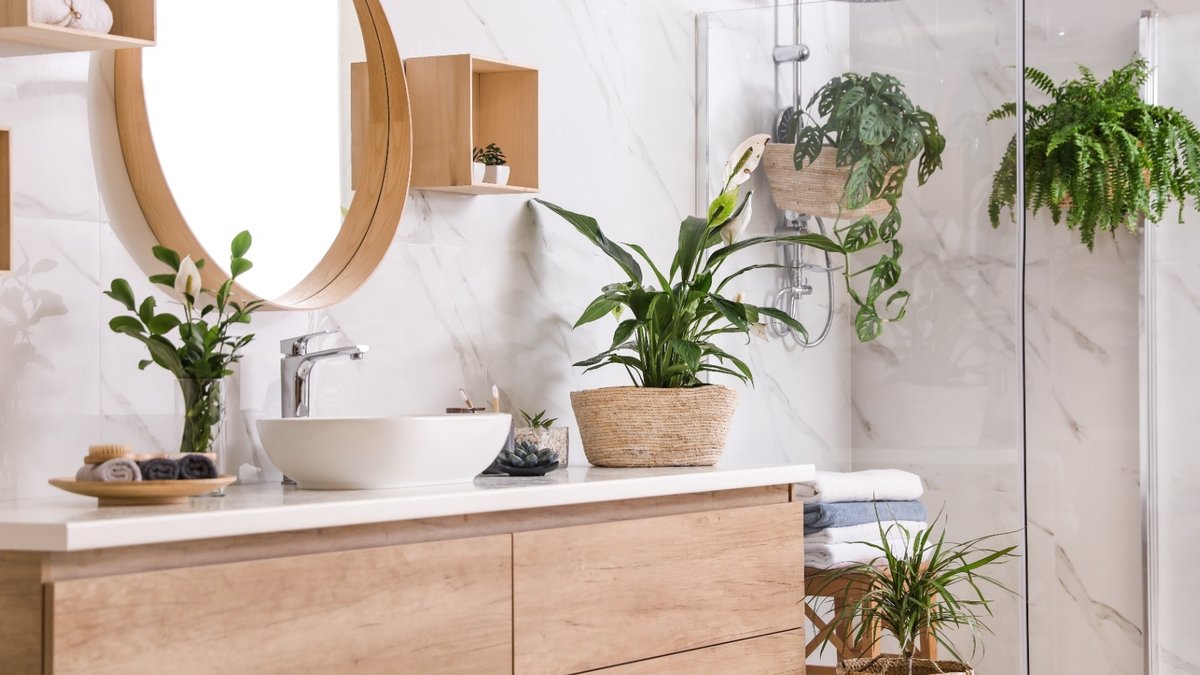
Low-light bathrooms with high humidity often struggle to support lush indoor gardens, but they can become a private spa retreat with the right selection of houseplants. The warm, steamy air after a shower creates an environment that many common house varieties find intolerable, yet several species thrive in these conditions. Choosing plants that love moisture and diffuse light transforms a gloomy, stuffy room into a lively space filled with greenery.
Top choices for a steamy bathroom
The Boston fern is a classic choice for these environments, with its feathery, arching fronds adding a sculptural element to the room. These plants typically spread to 90 centimetres, so they require space on a high shelf or in a hanging planter to avoid fronds brushing cold glass. While they prefer bright, indirect light, their real strength lies in their love for humidity, as they quickly turn brown and crisp in dry living rooms. If older fronds yellow during winter, snipping them back encourages fresh growth from the crown in spring.
For those with limited light, the bird’s nest fern offers a forgiving option with its glossy, apple-green foliage. This tropical plant grows naturally high up in trees and requires minimal attention once established. Gardeners should water around the base of the rosette rather than into the centre to prevent rot. Its slow, steady growth means repotting is rarely necessary for years, making it a reliable addition to a busy household.
Mounted on timber, the staghorn fern brings a unique, artistic quality to the bathroom wall. In nature, these plants grow on tree trunks and absorb moisture from the air, making them perfect for a steamy environment. The plant features flat, rounded shield fronds that protect the roots and store nutrients; these should remain on the mount. Hanging the fern where it catches morning light, out of the direct path of the shower, ensures it remains healthy for decades.
Orchids, particularly the moth orchid (Phalaenopsis), are well-suited to bathrooms with a window. As epiphytes that relish humidity, they can flower for months at a time. Their reputation for difficulty is often overstated, as they adapt well to warm, damp air. A north- or east-facing frosted window provides ideal conditions, while a dark room will keep the plant alive but may prevent blooming. Once flowers fade, cutting the stem above the second node below the old flowers often prompts a new spike to grow.
Calatheas, or prayer plants, are another excellent option for steamy spaces. Gardeners should use filtered or rainwater if possible, as these plants dislike the minerals in hard tap water. Tight, furled new leaves emerging from the centre are a good sign of health.
For owners short on time, the pothos plant offers resilience and rapid growth. It tolerates low light, irregular watering, and cold snaps better than many other varieties. In a small bathroom, it can be trained along a picture rail or allowed to trail from a cabinet, adding greenery without sacrificing surface space. The plant is easy to propagate from cuttings in water, making it ideal for expanding a collection or gifting.
The peace lily is one of the few flowering plants that blooms reliably in low light, making it a natural fit for north-facing bathrooms. Its elegant white spathes and deep green leaves create a dramatic statement, especially when the plant droops to signal it needs water before recovering. Larger cultivars, such as ‘Sensation’, can grow over a metre tall, adding height and presence to the room.
Essential care and accessories
Plants require nutrition to sustain their growth and health. A liquid feed containing kelp extract, potassium, magnesium, and iron supports stronger leaves and more abundant flowering. Applying this regularly during the active growing season helps maintain the plant’s energy levels. Neglecting nutrition can lead to weak stems or a lack of blooms over time.


