Simple steps to grow a pollinator-friendly wildflower meadow
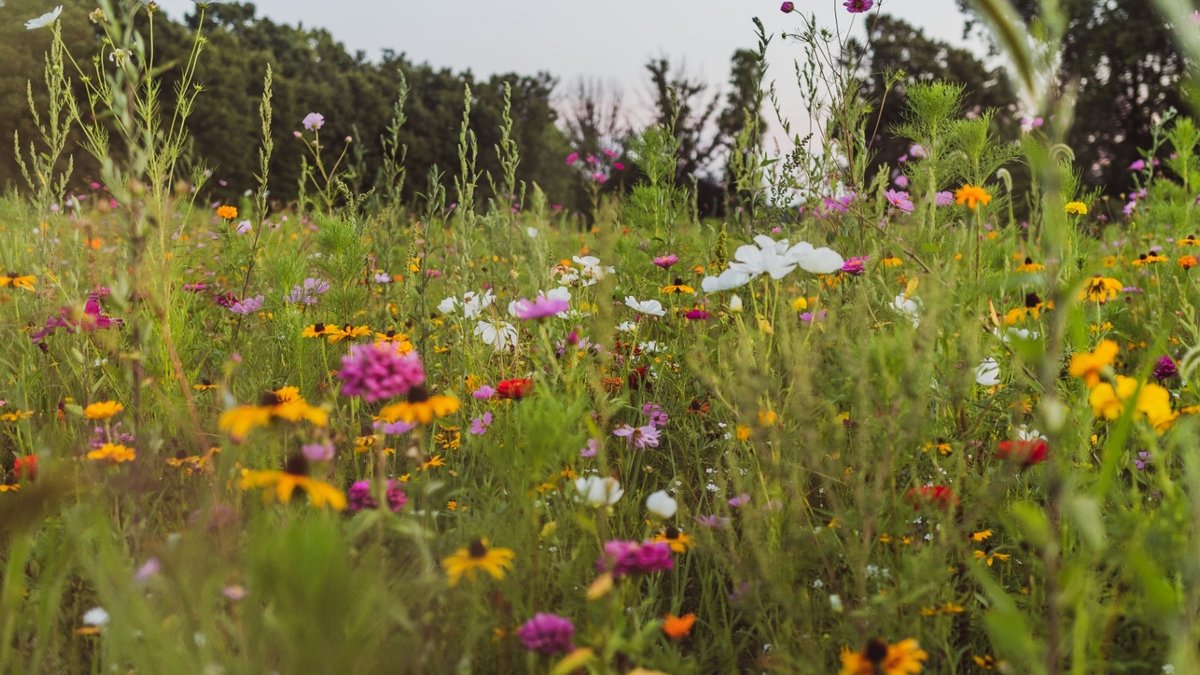
A wildflower meadow transforms a garden into a thriving habitat for pollinators with minimal effort. Unlike manicured lawns, these low-maintenance areas support bees, butterflies, and other beneficial insects by using native plants that have co-evolved with them. The method suits even small spaces, eliminating the need to remove an entire lawn. Whether the goal is a perennial meadow or an annual display, the result is a self-sustaining ecosystem that boosts biodiversity without constant care.
Soil preparation is the foundation of success. Most native wildflowers flourish in nutrient-poor conditions, so fertilizer must be avoided—it encourages weeds that outcompete the desired plants. Instead, the ground should be dug or plowed to break up compacted soil, then raked into a fine, even seedbed. Weeds such as nettles, docks, or creeping thistle indicate rich soil and should be removed before sowing, as they will dominate if left in place.
Timing is key for germination. Autumn is the best period to sow, as many species, including Rhinanthus minor, or yellow rattle, require cold stratification to sprout. Yellow rattle is particularly useful because its semi-parasitic nature weakens grasses, giving wildflowers a better chance to establish. If autumn planting is missed, spring sowing remains viable, though results may take longer. Additional seed can be added in subsequent years if the first attempt fails to take hold.
Establishment requires patience. A wildflower meadow typically produces little in the first year, but flowers begin appearing in the second. By the third or fourth year, the mix stabilizes into a self-sustaining display. Plug plants, pre-grown alternatives to seed, can speed up flowering in the first year if added in autumn or spring at a rate of five per square meter. These act as a temporary bridge while the seed mix matures.
Minimal care keeps meadows thriving
Once established, maintenance is minimal. Mowing should be delayed until after flowering, generally between March and August, to allow seeds to disperse. If cutting is necessary, a strimmer or scythe should be used, followed by raking away clippings to prevent smothering new growth. In autumn and winter, light grazing by sheep or occasional mowing controls grasses without fertilizing the soil. Fertilizer is strictly prohibited, as it promotes weed growth and disrupts the meadow’s ecological balance.
Related Post: Gardeners Can Propagate Free Salvia Plants Before Autumn Frost
The right location is essential. Full sun is required, but the soil must be lean, avoid areas dominated by weeds like creeping thistle or bramble, as these signal nutrient-rich conditions. Seed should be scattered thinly on the surface without covering, and sowing just before rain helps it settle. A standard rate is 4 grams per square meter, or 16 kilograms per acre for larger plots.
Quick fixes for small gardens
For gardeners with limited time or space, integrating wildflowers into an existing lawn is a practical option. Scarifying creates small bare-soil pockets where seed can be sown directly. This method is less reliable than a full meadow conversion but requires far less initial work. It is best suited to large-scale restoration projects rather than small gardens, where a dedicated patch yields faster and more predictable results.
Plant selection depends on local climate and soil type. Echium vulgare, or viper’s bugloss, thrives in dry, poor soil and flowers from June to September, reaching heights of 30 to 80 centimeters. Leucanthemum vulgare, the ox-eye daisy, is adaptable, flowering from May to August at 60 centimeters tall. Centaurea nigra, common knapweed, can be sown anytime and blooms from June to September at 1 meter. Knautia arvensis, or field scabious, has lovely lilac-blue flowerheads with lobed leaves. Sow in spring for flowers between June and October, reaching a height of 1.5m.
Primula veris, or common cowslip, has bell-shaped flowers with a rosette of leaves. You can sow in autumn, and it will flower between April and May, growing to a height of 50cm. Stachys officinalis, betony, boasts oblong leaves and reddish-purple flowers. It can be sown in autumn and flowers June to September, growing to a height of 1m.


