Small gardens need height and the right trees to look
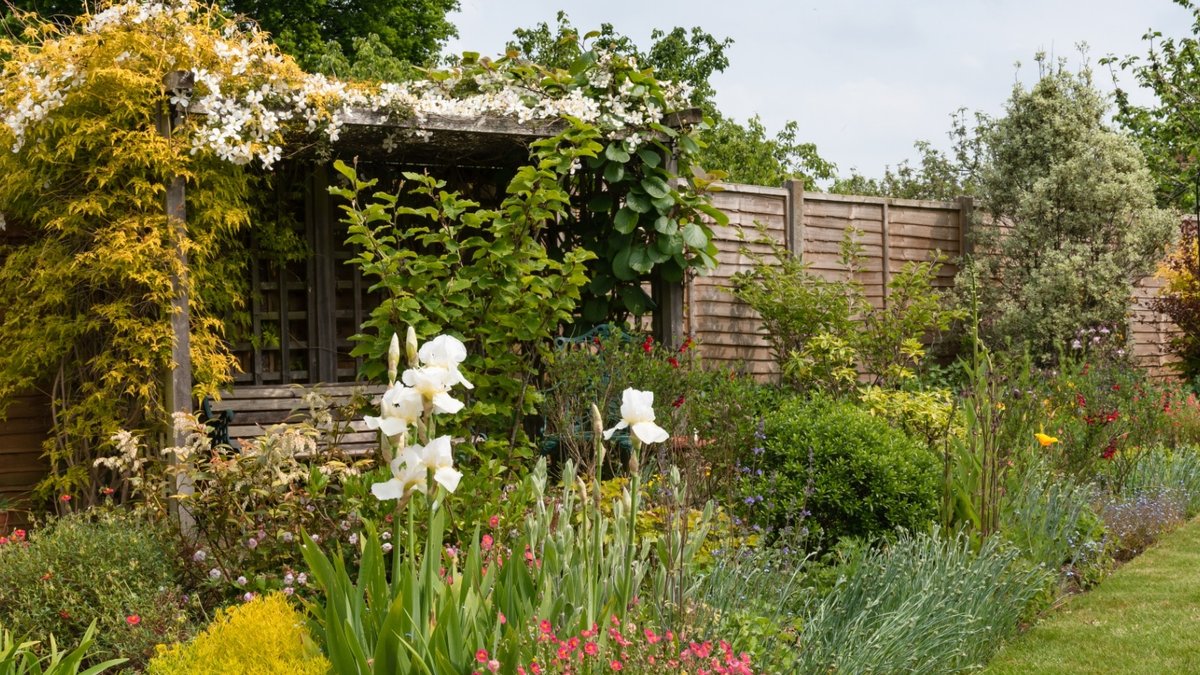
In a large yard, a misplaced shrub blends into the background, but on a narrow city plot or a tight courtyard, a simple error stands out and ruins the overall design. Autumn offers the best time to fix these problems because the soil remains warm, nurseries are full of trees and shrubs, and the chance to improve the layout is high.
Give the garden some height
Owners often keep everything low in small gardens to avoid feeling overwhelmed. The result is a flat carpet of plants that creates no focal point, so the eyes simply land on the back fence. This flat look actually makes the space feel smaller because there is no depth or variation. Height creates layers, and layers provide depth. Designers recommend thinking in three tiers: soft plants that spill out at the front, mid-height perennials for the body of the border, and tall, airy plants that rise above the rest.
Choosing see-through plants for the top tier helps keep light and views open. Good options include Verbena bonariensis, Thalictrum delavayi, and Gaura. Ornamental grasses such as Stipa gigantea or Calamagrostis ‘Karl Foerster’ add drama without blocking the view. Rigid rows of planting remove personality, so a natural, free arrangement works better. Alliums work well in these top layers because their heads float above emerging perennials, creating interest without blocking the sun.
When the view is not blocked, the garden feels larger and more open, even if the physical footprint has not changed.
Choose the right trees and containers
People often fear that a tree will dominate a small garden or damage foundations with its roots. However, the correct tree gives height, structure, and seasonal drama while offering privacy and shade. The key is selecting a tree with a light canopy and multiple seasons of interest. Amelanchier lamarckii provides spring blossom, early summer berries, and autumn colour. The paperbark maple, Acer griseum, offers peeling cinnamon bark that shines in winter, while Malus ‘Evereste’ keeps fruit on the branches after the leaves fall.
Multi-stem forms suit tight spaces well, and lifting the lower branches allows planting underneath. Autumn is the ideal time to plant so roots settle before winter. Another common error involves using many small pots around a patio. While individual containers look charming, they read as clutter and dry out quickly, requiring daily watering. A single large pot holds more compost, which insulates roots in winter and requires less work. It also makes a stronger visual statement that tricks the eye into seeing more space.
Build year-round interest
The logic behind a garden full of different plants makes sense. However, a scattered mix can feel like a patchwork without rhythm. Designers suggest choosing three to five key plants that suit the conditions. Repeat these choices through the borders in groups of three or five. This repetition creates deliberate drifts rather than isolated dots. It guides the eye across the garden and gives the space a sense of calm. A repeated grass or a clipped evergreen dome can stitch the planting together.
Shape the layout and materials
The classic layout of a rectangle of lawn surrounded by thin strips of soil is not flattering. Very slim borders are an enemy of interest. They can only hold a single row of plants, which makes layering impossible. Everything lines up against the fence. This creates a stark boundary. If possible, make the beds deeper, even if it means encroaching on the lawn. Extra depth allows for tiers of planting and more soil for roots. It also helps plants cope better in dry spells.
Small gardens often suffer from too many materials. Every new surface adds a line, colour, or texture for the eye to process. This makes the space feel busy before planting begins. Restraint is everything in a small area. Choose two or three hard materials and stick to them. A natural stone for the terrace and a complementary gravel for paths is sufficient. Echo the brick or stone of the house so the garden reads as an extension of the home.
Plant with care
A buried trunk is prone to rot and can shorten the tree’s life. Stake it low with a proper stake and tie. Spread a ring of mulch around the base, keeping it clear of the trunk. Water well through the first dry spring and summer. The same care applies to a new statement pot. Fill it with good peat-free container compost. Choose plants that reach around one-and-a-half to two times the height of the pot. This ensures the balance is right.


