Garde Hvalsoe’s rise as a kitchen leader
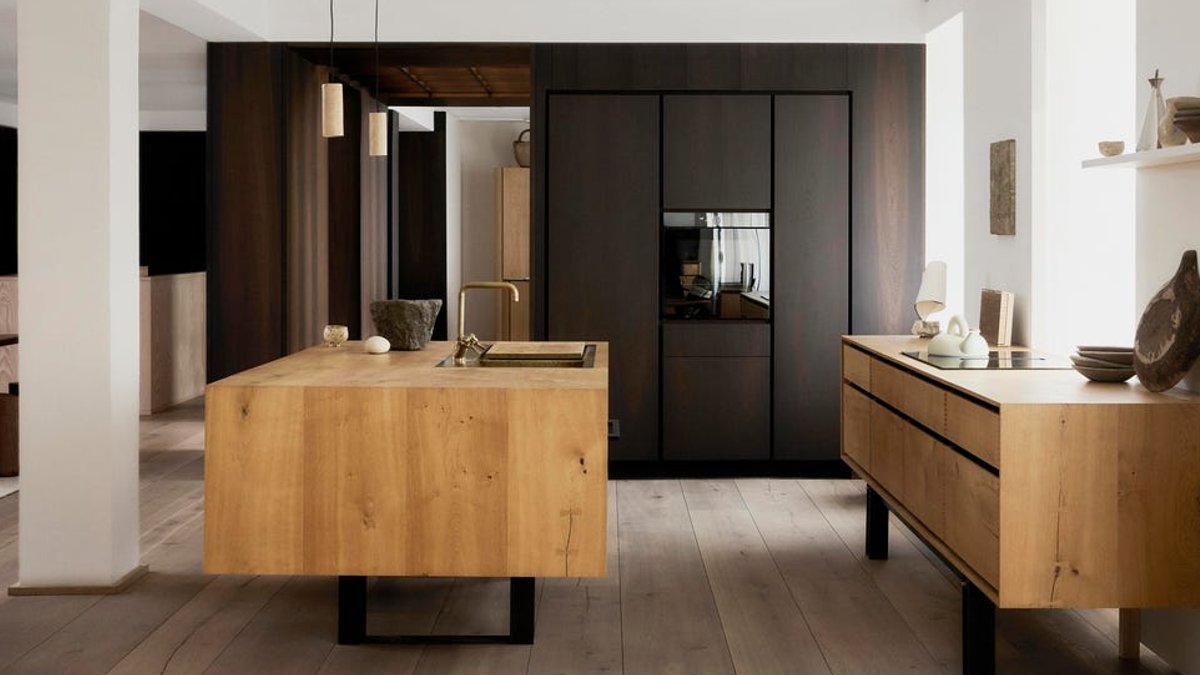
In June, during Copenhagen’s 3 Days of Design festival, kitchen brand Garde Hvalsøe made an unexpected choice. Instead of unveiling a new collection, it displayed a 2015 kitchen that the company had reacquired and restored.
The exhibit, called Tempus and curated by stylist Pernille Vest, paired the vintage kitchen with new designs from Garde Hvalsøe and Portuguese furniture maker De La Espada. The setup emphasized materials that age well, craftsmanship built to last, and a business model that treats kitchens as long-term investments rather than disposable goods.
The beauty of a kitchen that grows older
“In the showroom, we have this old piece alongside the same design newly built,” says Søren Lundh Aagaard, Garde Hvalsøe’s CEO. “The depth and patina of the wood and the tarnished brass sink in the older version actually add to its appeal.”
The contrast was intentional. Aagaard explained how attitudes toward high-end kitchens have changed. “The days of buying something expensive and replacing it when it breaks are over,” he said. “Now, people want repairs instead of replacements.”
Since 1990, the brand has followed Danish cabinet-making traditions, where each kitchen balances design, material, and construction. The focus has always been on lasting relevance, not trends. But Aagaard noted that heritage alone isn’t enough. “It used to be that an old, honored brand could do whatever it wanted,” he said. “Now, understanding our roots helps us move forward.”
That forward movement includes circularity. Garde Hvalsøe now lets clients take their kitchens when they move or buy reconditioned pieces. The approach mirrors a broader industry trend, but the company’s recent B Corp certification shows it takes the idea seriously. The certification, awarded to businesses meeting high social and environmental standards, aligns with the brand’s focus on craftsmanship and community.
“What we do is also about being part of a community,” said Birgitta Murga Thomsen, the company’s chief of brand, people, and business development. “Craftsmanship connects globally, and we serve that audience to strengthen those ties.”
Related: 12 Colorful Homes That Will Make You Ditch White Walls
The commitment goes beyond sustainability as a marketing tactic. The business model relies on it. Aagaard pointed out that a Garde Hvalsøe kitchen isn’t a quick purchase—it’s built for daily use over decades. “Designing and producing it takes time,” he said. “People use it every day for years, and that makes the effort worthwhile.”
A single kitchen can become a lifelong centerpiece.
A brand built for the long haul
Garde Hvalsøe isn’t ignoring innovation. Alongside its core Signature collection, it’s expanding its Atelier design department, which handles highly customized projects for architects and private clients. The company is also increasing its offerings of reconditioned models, integrating them into new installations in Denmark and abroad.
For Aagaard, the brand’s future depends on maintaining its craftsmanship standards. “That’s the key to keeping the brand alive for years to come,” he said. It’s a straightforward idea, but one that stands out in an industry often driven by rapid turnover and short-lived trends.
The irony is clear. In a world where “new” often means “better,” Garde Hvalsøe is betting that a kitchen’s value can increase with age. The 2015 model in the showroom isn’t just a relic—it’s evidence of a different approach.
This philosophy extends beyond kitchens. Many interior design studios now prioritize timeless materials and durable craftsmanship, reflecting a shift in how people view their living spaces.


