DIY Oven Cleaner Falls Short Self-Clean Wins
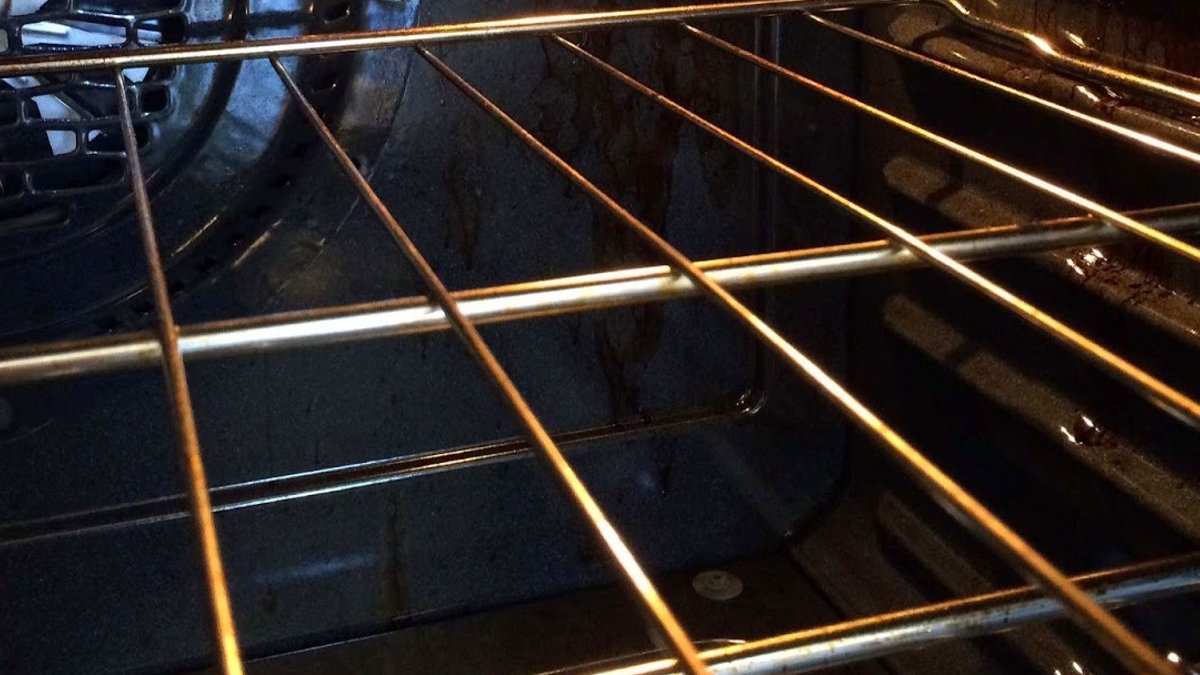
Homeowners often turn to a blend of Dawn dish soap, baking soda and white vinegar after seeing the recipe on social media, hoping the foam will lift baked-on grease from the cooking chamber. Many online tutorials promote this combination because the soap cuts through oily residue while the soda acts as a gentle abrasive.
Homemade Mixture Tested
The recipe called for 8 tablespoons of Dawn, 8 tablespoons of baking soda and 6 tablespoons of distilled white vinegar. When the acidic vinegar meets the alkaline powder, carbon dioxide bubbles form, creating a white foam that expands across the surface.
DeeDee spread the foaming paste on the interior floor with a green-and-yellow sponge, scrubbed, then let it sit for the suggested 20 minutes before wiping. After a second round of scrubbing, the surface looked cleaner but dark stains persisted on the walls and near the rear fan housing. The tester noted that the foam softened the grime but did not eradicate the deeper discoloration.
Alternative Rack Cleaning
For the metal racks, DeeDee filled a bathtub with hot water, added three-quarters of a cup of Dawn, and soaked the racks for eight hours. After the soak she used a Bounce dryer sheet to help lift the remaining brown deposits; the sheet’s softening agents aided the detachment of baked-on particles.
Read Also: A Welsh painter revives utility room with bold plum color
The soak removed most of the stubborn material, though the racks did not return to a brand-new appearance. Photographs taken before and after the treatment showed a noticeable reduction in dark spots, yet a thin film of residue lingered despite the lengthy immersion.
Built-in Self-Clean Cycle Works
Instead of repeating the homemade attempt, DeeDee activated the appliance’s self-cleaning cycle, which ran at high temperature for three hours. The intense heat converted baked-on food into ash that could be wiped away once the chamber cooled.
After the cycle, the interior displayed a uniform dark finish and the rear panel showed noticeably fewer deposits. The final photo captured a clearer view through the door glass, confirming the built-in feature achieved what the mixture could not.
Manufacturers advise removing racks and loose debris before starting a high-temperature clean, keeping the kitchen well ventilated, and avoiding contact with hot surfaces. Heavy grease can generate smoke, so routine cleaning with approved products remains important. Regular maintenance using a mild detergent and a non-abrasive sponge prevents the buildup that would otherwise require such intensive cycles.


