Banana Peel Water Fails to Feed Houseplants
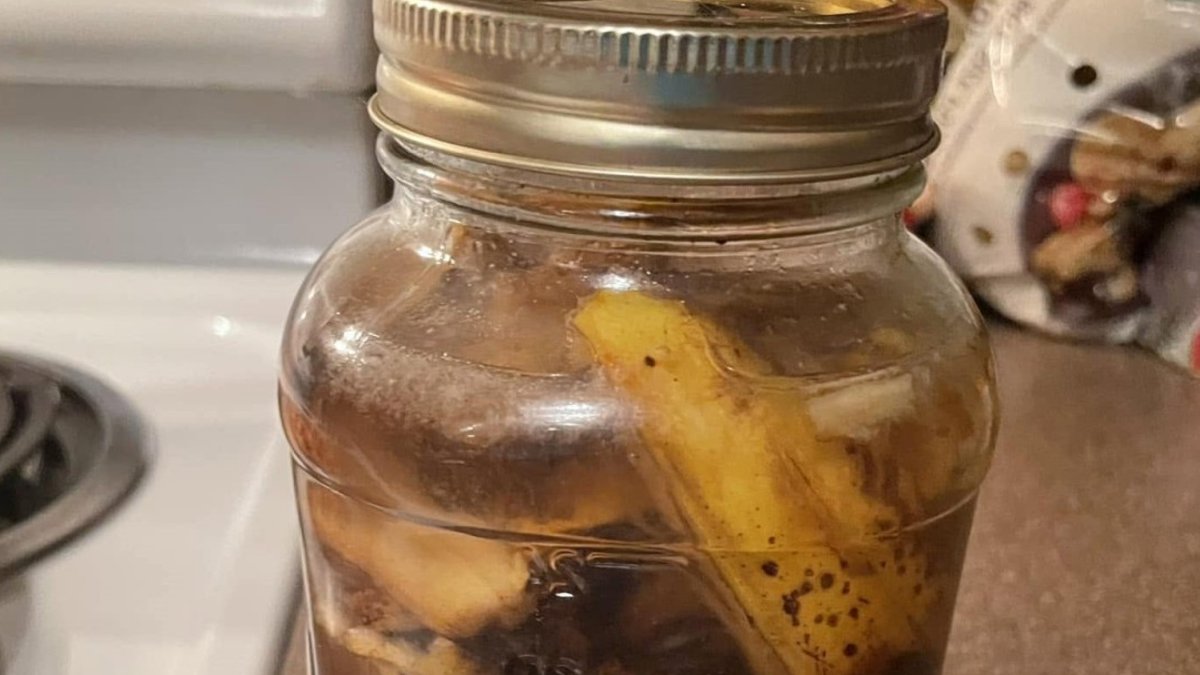
Banana-peel water is often promoted as a simple way to nourish houseplants, but plant experts argue that this method provides only limited benefits and fails to meet most indoor plants’ nutritional needs.
The technique involves soaking banana peels in water before applying the liquid to plants. Proponents believe the peels release potassium, a key nutrient for growth, into the water. However, a study by the University of California Agriculture and Natural Resources found that only a small portion of the potassium actually dissolves, while other essential nutrients remain trapped within the peels themselves. What looks like homemade plant food is missing much of what houseplants need to grow.
The resulting water does contain some potassium, but its concentration is unreliable. Unlike commercial fertilizers, it lacks a balanced combination of nitrogen, phosphorus, magnesium, iron, manganese, and zinc, all of which are necessary for healthy plant development. Nitrogen supports leaf and stem growth, while phosphorus aids root development and energy transfer, and magnesium helps maintain chlorophyll production. The university’s April 2025 report on gardening misconceptions confirms that banana-peel water delivers only a minor potassium increase and does not address broader nutritional deficiencies in houseplants.
Read Also: Shocking Blue-and-Gold Makeover on Budget China Cabinet
Even when peels are left in water for long periods, the dissolved potassium levels remain inconsistent. The UC Master Gardeners recommend composting the peels instead of discarding them, as this method preserves the nutrients that would otherwise be lost in the soaking process. Banana-peel water cannot provide that balance, no matter how long the peels sit in the jar.
A more effective strategy is to use a balanced fertilizer that includes nitrogen, phosphorus, potassium, and micronutrients. The University of Maryland Extension suggests selecting products labeled for indoor plants and applying them at the strength recommended by the manufacturer. Fertilization should occur every one to three months during the growing season (March through September) and be avoided in winter when most plants enter dormancy. University of Illinois Extension lists 10-10-10, 5-10-5, and 10-20-10 as common fertilizer options for houseplants.


