8 European City Guides for Design Lovers
Travelers seeking a refined aesthetic for their next trip should consider these 8 European city guides for design lovers, which offer insider access to the continent’s most stylish corners. Instead of generic tourist traps, these collections highlight local haunts, architectural landmarks, and cultural institutions curated by experts who live and work in the region. The guides range from Milan to the South of France, covering a diverse mix of urban hubs and coastal destinations known for their unique visual identity.
Curated Perspectives from Industry Insiders
Several of the featured guides come from prominent figures in the design and architecture world. Linda Boronkay, a prolific interior designer based in London, directs attention to Budapest, citing her favorite underground ruin bar and a hotel she prefers to all others. In Milan, Joseph Grima mixes architectural icons like the Milan Cathedral with recommendations for traditional cuisine and contemporary galleries.
Mathieu Lehanneur provides an idiosyncratic tour of Paris, pointing out his preferred antiques market and a discreet bistro. For Brussels, Beatrix Bourdon, director of the art fair BRAFA, selects a legendary fashion boutique and a hotel housed in an old abbey. Swedish design talent Tekla Evelina Severin offers a similar local perspective on Stockholm, focusing on Scandi furniture, the subway system, and the city’s dining scene.
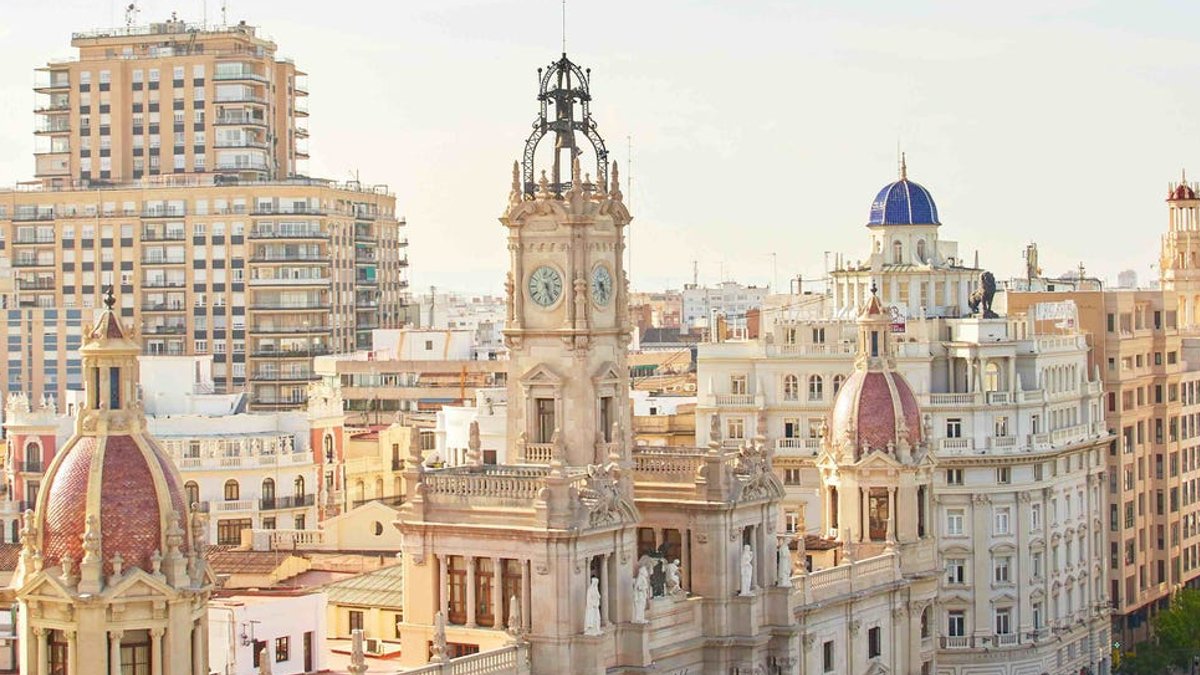
The Riviera has shed a reputation for excess to become a hub for hospitality design. A guide to this region highlights a reimagined Cannes icon, a 17th-century convent, and a restaurant designed by Francis Sultana. Meanwhile, Valencia has transformed from a beach transit point into a cultural hotspot with futuristic architecture and a Gothic old town full of hidden gems.
Exclusive Access to Culture and History
For visitors hoping to see the artistic masterpieces of Florence, the local experts suggest booking a tour rather than attempting to handle the city independently. One luxurious hotel offers a detailed schedule covering the city’s most significant frescoes, sculpture, and architecture in a jam-packed timeline. This approach allows travelers to maximize their limited time in a city where beauty is seemingly on every corner.
The guides generally avoid the most crowded tourist paths in favor of quieter, more authentic experiences. They suggest visiting specific stores that require a ring of a bell to enter or seeking out bistro recommendations that are known only to the locals. This strategy ensures that a trip to these European destinations feels less like a passing observation and more like an engagement with the environment.


