Family Revamps Victorian Home into Eco Sanctuary
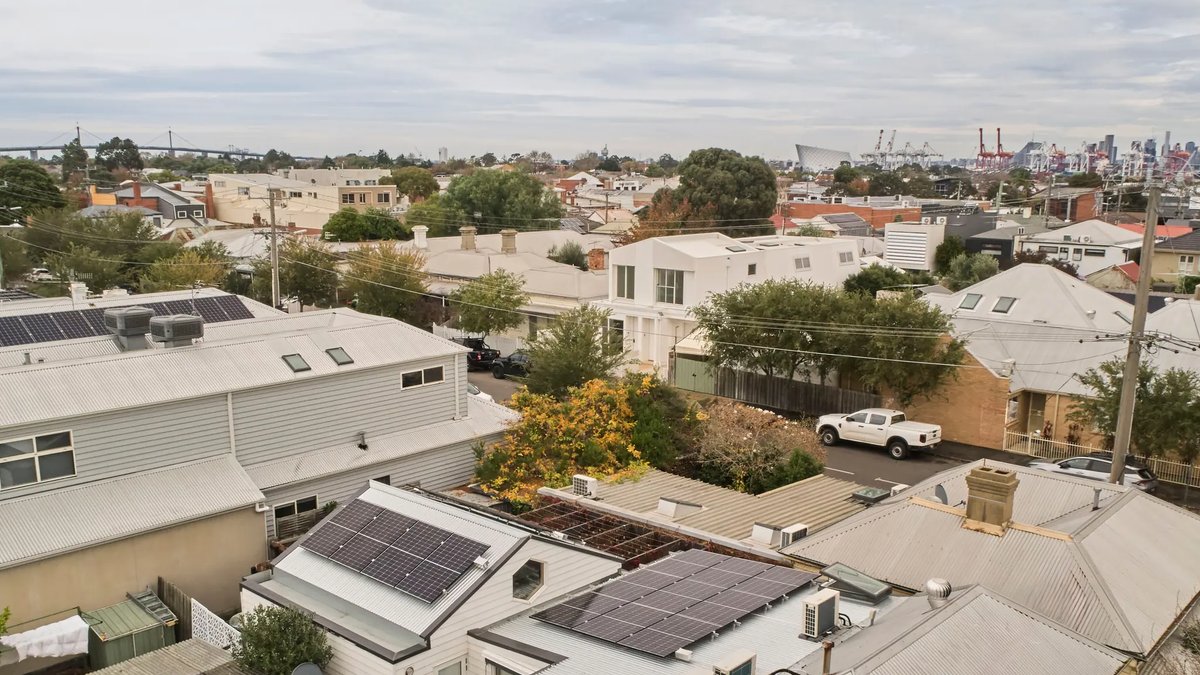
After two decades of work, a double‑fronted Victorian era home in Seddon has been turned into a sustainable sanctuary, raising its energy rating from a modest 2.3‑star NatHERS score to 6.8 out of 10.
From Dilapidated to Designed for Efficiency
Michelle Bennett and illustrator Michael Weldon bought the house in 2004. The property needed extensive repairs, yet its location and an intangible “good energy” convinced them to make it their family residence. Initial renovations were limited by budget constraints, leaving key upgrades such as double‑glazing undone.
Over the following years, the family dealt with poor insulation that made winter rooms feel icy and drove up gas bills. Shifting foundations introduced drafts and dust that seeped through gaps around doors and windows. By 2020, the couple decided the home required an extensive overhaul and engaged designers Altereco and Nido Building Group.
Related: Sydney Apartment Reflects Owners Unusual Inspirations
Key Upgrades and Energy Gains
The renovation plan focused on adding the missed elements: double‑glazed windows, all‑electric appliances, solar panels, and a modest extension to the kitchen and dining area. The front two rooms were preserved and retrofitted with new insulation and floorboards, while the remainder of the structure was rebuilt to meet passive‑house standards.
Installing a home battery alongside the solar array allowed the family to store excess electricity. “We were already having so much work done, we thought we may as well get it all done in one go,” Michelle explained. The battery, though costly, enables the house to run almost entirely on solar power, saving the family between $2,000 and $3,000 annually.
The system runs mostly on sunlight.
New double‑glazing and insulation have also quieted the interior, reducing outside noise and creating a calmer living environment. Ceiling fans and efficient split‑system air‑conditioning units keep the home comfortable year‑round, often eliminating the need for heating or cooling altogether. When climate control is required, a single unit can serve the entire house.
Related: Most Tankless Heaters Need Annual Cleaning Few Do
For readers unfamiliar with passive‑house concepts, the approach emphasizes airtight construction, high‑performance insulation, and heat‑recovery ventilation. Applying these principles to an older Victorian structure is more challenging than starting from scratch, but the result can approach the energy performance expected of new builds. In this case, the upgrade brought the NatHERS rating within a point of the 7‑star benchmark that new Victorian homes now target.
Family Perspective and Future Outlook
Michelle, Michael, and their 16‑year‑old daughter Jeannie report that the transformation has improved daily life. “If you have the time, energy and means, I’d say just go for it,” Michelle said, acknowledging the project’s daunting moments but emphasizing the long‑term benefits. The family’s experience illustrates how patience and careful planning can convert a heritage property into a model of modern sustainability.
While the upfront costs were significant, the combination of reduced utility expenses and a more pleasant indoor atmosphere appears to justify the investment for the Bennett family. Their story adds to a growing body of evidence that older homes, when retrofitted with contemporary green technologies, can meet stringent energy standards without sacrificing historic character.


