Home orientation impacts energy comfort and resale
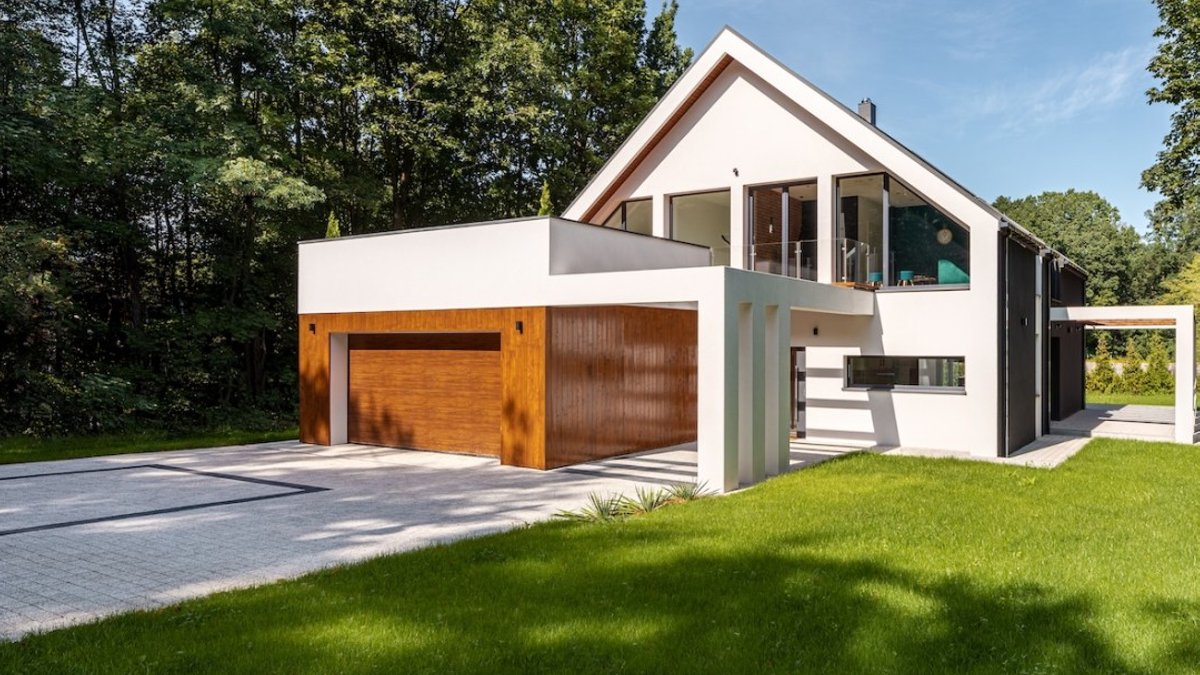
Understanding home orientation can influence everything from energy bills to interior design, making it a practical consideration for buyers and builders alike.
Orientation matters year round.
Sunlight, Heat and Energy Costs
In the northern hemisphere, a south‑facing façade receives the most direct sunlight because the sun tracks across the southern sky. This exposure can lower winter heating expenses by capturing radiant heat, yet the same advantage often flips in summer, driving up cooling costs as the house absorbs more warmth.
East‑facing homes benefit from bright morning light, while west‑facing dwellings enjoy stronger afternoon sun. The timing of sunlight can affect how households manage lighting and temperature throughout the day.
North‑facing houses typically see less direct sun on their front side, which can keep interior spaces cooler during hot months. The trade‑off is reduced natural light, which may lead occupants to rely more on artificial lighting.
Homeowners often invest in ultraviolet‑blocking window film or shades for south‑facing windows to mitigate sun‑related fading of furniture and flooring. The same protective measures are useful for any façade that receives prolonged exposure.
Related: 4 Genius Uses for Flour Beyond Baking
Maintenance, Weather Impacts and Outdoor Spaces
Direct sunlight can accelerate wear on exterior materials. South‑exposed siding, roofing and trim may require more frequent repainting or resealing, prompting owners to budget for regular upkeep.
In colder climates, a north‑facing entrance can be prone to ice dams and icicles because limited solar heat slows snow melt. Driveways and walkways on that side may stay slick longer, increasing the need for salting or shoveling.
Landscaping choices also hinge on orientation. A south‑facing yard enjoys all‑day sun, supporting heat‑loving plants and making it an ideal spot for a pool. Conversely, a north‑facing patio may stay cooler, offering a comfortable space for evening meals.
West‑oriented decks receive late‑day sunlight, which can be appealing for families who return home after work and want a warm area for relaxation.
Choosing plant species that match the light conditions of each side of the property helps maintain a healthy garden and reduces watering needs.
When a home’s view includes a notable setting feature—such as a lake, mountain range or city skyline—orienting the main living areas toward that vista can enhance daily enjoyment. Builders often position large windows to capture the most compelling sightlines.
Related: Building Luxury Villas on the French Riviera: A Seamless Blend of Architecture and Coastal Living
Because interior color schemes react to light levels, rooms that face west may be better suited to muted tones, while south‑facing spaces can accommodate richer, darker hues without feeling cramped. Bedrooms with east‑facing windows often benefit from blackout curtains to prevent early morning glare.
Given these variables, a balanced approach is advisable. Homebuyers should weigh the seasonal climate of their region against personal preferences for light, heat and outdoor activities. For example, a family living in a hot, sun‑intensive area might prioritize a north‑oriented front door to keep living spaces cooler, while still designing a south‑facing garden for summer enjoyment.
Practical Takeaways for Homeowners
Energy‑efficient design can mitigate some orientation challenges. Installing high‑performance windows and proper insulation helps retain heat in winter and block excess heat in summer, regardless of the house’s compass direction.
Regular maintenance planning—such as scheduling repainting for the sun‑exposed side of the house—can prevent costly repairs later on.
Landscapers and homeowners alike should select flora that thrives under the specific light exposure each yard receives, ensuring a resilient and attractive outdoor environment.


