4 Genius Uses for Flour Beyond Baking
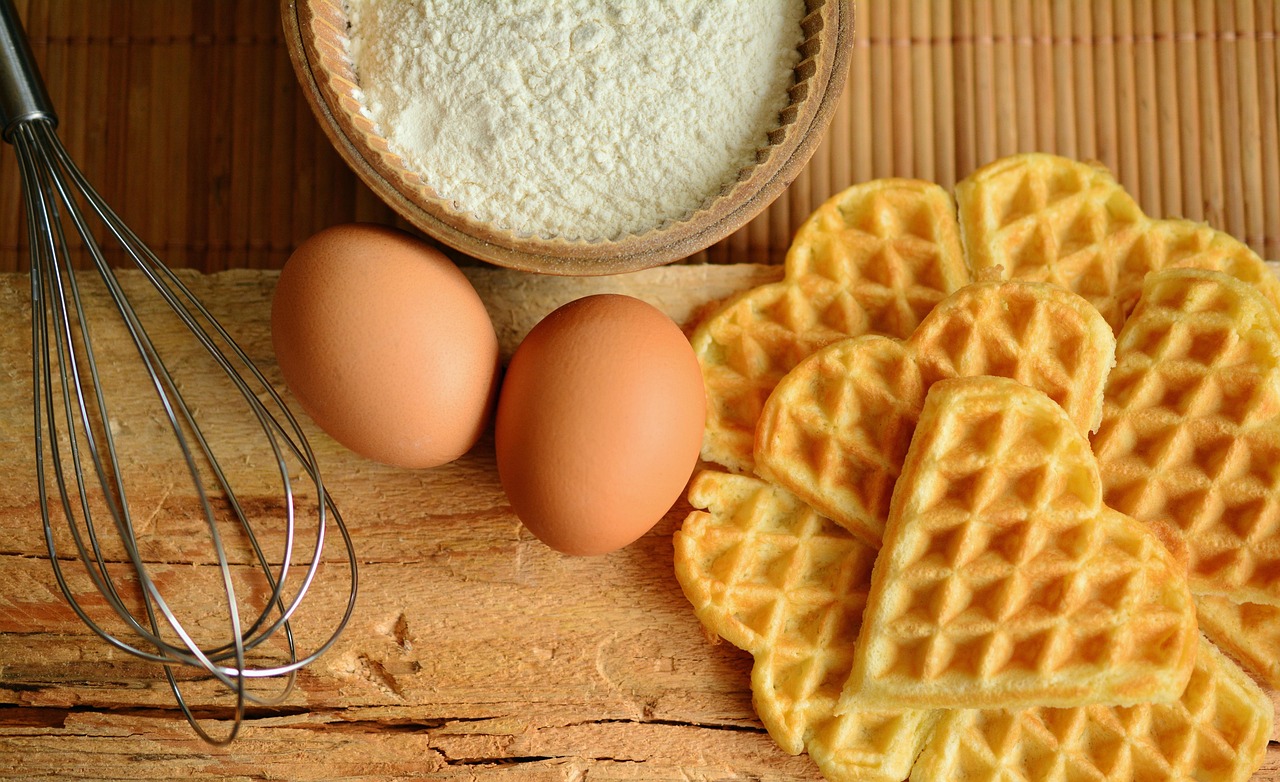
Many households store a bag of all-purpose flour in the pantry for holiday baking, but this common ingredient is far more versatile than a simple culinary building block. It is actually one of the most useful household tools available, capable of handling a surprising variety of tasks around the home and garden. From creating a non-toxic paint for exterior walls to acting as a natural barrier against pests, this basic white powder can solve four unexpected problems without the need for specialized chemicals.
Making a flour-based paint is an inexpensive way to update exterior walls. The process begins by heating 7 quarts of water on a stovetop. While the water boils, a separate bowl should combine 5 cups of white flour with 6 cups of cold water to create a slurry. The boiling water then requires the slurry, coloring pigments, 9 ounces of iron sulfate, and 1 quart of linseed oil added to it in that specific order. The mixture needs 15 minutes of stirring and cooking between each addition. Once the pot is removed from the heat, about 3 1/2 ounces of colorless dishwashing soap is stirred into the cooling mixture. When the paint cools to the touch, it is ready for application.
Polishing Metal Fixtures
Flour can also help revive dull and tarnished bathroom fixtures, furniture, and appliances. Stainless steel items can be cleaned by sprinkling some flour onto a clean, dry cloth and using it to buff the surface. For copper, mix equal parts of flour and salt, then add just enough vinegar to form a paste. This paste is spread onto the copper and left until dry before rinsing with warm water. Brass items require a different approach; a paste of ½ teaspoon salt, ½ teaspoon flour, and ½ cup white vinegar should be applied and left for up to an hour. After rinsing with warm water and buffing dry with a microfiber cloth, the metal should regain its shine.
Detecting Pests in the Attic or Yard
When worried about pests settling in an attic or yard, flour can act as a tracking agent. To check for squirrels, sprinkle flour on a piece of cardboard and place it in their suspected path near an access point. Active infestations will likely leave tracks within a couple of days, showing small foot marks that are 1 to 1½ inches long. Tracks twice that size suggest raccoons, while smaller prints indicate mice. If snakes are suspected in the yard, drizzle a light layer of flour around holes and leave it overnight. Finding a winding trail in the flour the next morning would confirm the presence of a reptile.
Ripening Hard Avocados
Sometimes grocery stores do not have ripe avocados when they are needed for recipes like guacamole. Flour offers a simple solution for this common dilemma. Hard avocados are placed in a paper bag filled 2 inches high with flour, then the bag is topped up until the fruit is completely covered. The bag is sealed at the top and kept in a cool, dry place for about 24 hours. After this period, opening the bag reveals ripe avocados ready for use.
For those with limited outdoor space, maintaining a tidy garden can be challenging. A top mower for smaller lawns helps manage grass efficiently without taking up too much room.
Preparing the yard for the season also requires some planning. Before the warm months arrive, consider making 10 backyard additions to improve the outdoor living area.


