8 Fruits and Vegetables That Fail in Pots
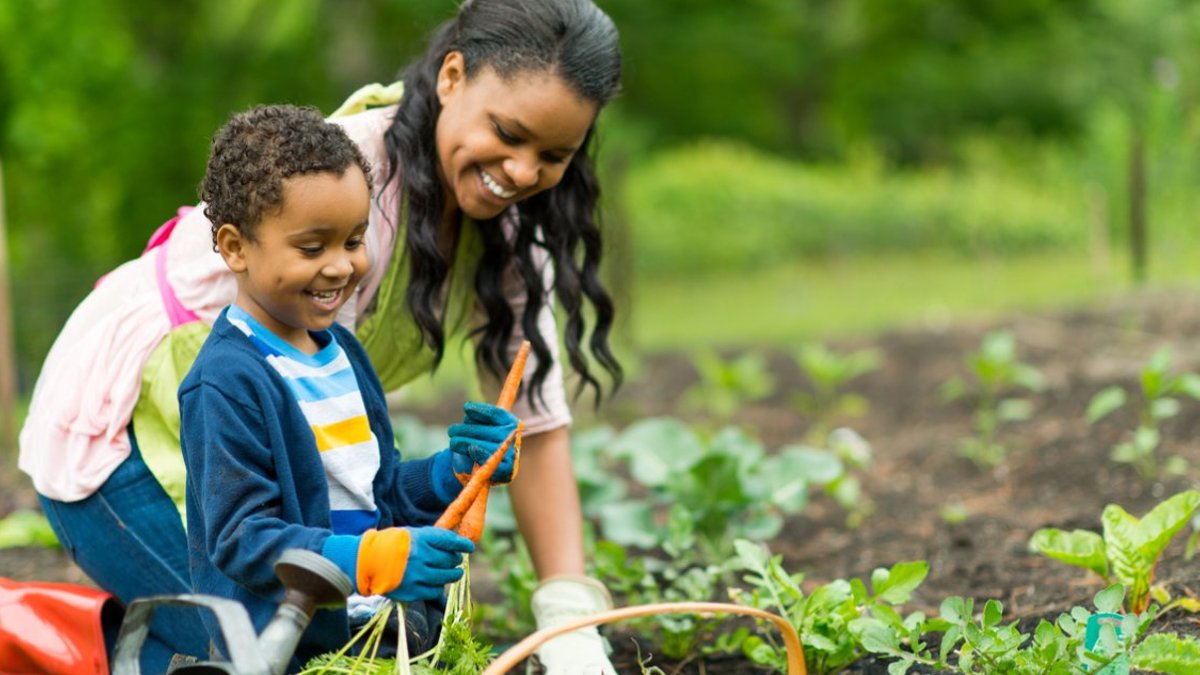
Container gardening offers a practical solution for people with limited outdoor space, letting them grow fruits and vegetables in movable pots that can be sheltered from bad weather. It also gives growers better control over soil quality. But not every plant adapts well to life in a pot.
Before you start dreaming of a bountiful harvest from your patio or balcony, it helps to know which crops are likely to struggle in confined spaces. Some require deep root systems, wide spreads, or heavy feeding that containers simply can’t provide without extraordinary effort.
Sweet corn and the trouble with tall plants
Sweet corn doesn’t grow well in containers mostly because of its height. Shorter varieties can work, but the yield will be smaller and the plants will need more attention than they would in a garden plot. Corn relies on wind for pollination, so seeds must be planted close together. That means you need a heavy pot with good drainage that’s wide and deep enough to handle several sturdy stalks.
Halved whisky barrels are a decent option. The soil needs compost mixed in, and corn benefits from regular fertilizer, lots of sun, and plenty of water.
Related: Best container plants for shady spots
Pumpkins, squash, and the space problem
Pumpkin and winter squash vines spread laterally, which makes container planting difficult. Planters should be at least 4 feet wide to handle the root system and the fruit. A smaller container will produce smaller pumpkins. If you’re determined to try, look for containers with a minimum capacity of 20 or 25 gallons.
Because these plants spread so much, no more than two should go in a single container. They are heavy feeders and need generous amounts of compost, regular fertilizing, and plenty of water with good drainage. Summer squashes like yellow crookneck or zucchini have a more compact, bushy form and are easier to manage in containers.
Melons demand more than most pots can give
Melons — including cantaloupe, watermelon, and honeydew — are heavy feeders with deep root systems and a wide spread. The general rule is to give them at least 5 feet of growing space, which is easy in a garden and much harder in a container. One option is to trellis them vertically, but heavy melons will need support as the fruit grows, such as a fabric sling.
Because they’re slow to flower, melons exhaust soil nutrients quickly. They benefit from heavy applications of compost and fertilizer, along with lots of sun and water. For most container gardeners, the effort outweighs the reward.
Related: Home Depot drops power tools to clearance during Ryobi Days
In practice for someone with a small patio, this is simple: you can grow melons in a pot, but you’ll be fighting the plant’s nature the whole time. The space that one melon vine demands could instead hold several productive tomato plants or a generous crop of herbs. The trade-off rarely feels worth it once you’re wrestling with trellises and watering twice a day.
Broccoli and cauliflower: small return for big effort
The problem with growing broccoli in pots is that the return on the square footage dedicated to each plant just isn’t that great. Individual plants should go in a light-colored container at least 12 inches by 12 inches — a 5-gallon pot per plant is recommended. Light colors matter because dark containers absorb too much heat from the sun.
If you try broccoli in containers, you’ll need to baby it more than you would in the ground. Extra nutrients from compost and fertilizer, plenty of water, and careful timing so you harvest during cooler weather are all necessary.
Cauliflower has shallow roots that make it adaptable to container growing in theory. But it’s a demanding plant that requires near-constant moisture, good drainage, and full sun — a combination that’s hard to maintain in a pot. A looser, lightweight soil is needed so roots can breathe without becoming compacted. The heads must also be blanched, with leaves pulled together over the developing heads for sun protection.
Related: 10 Backyard Additions to Make Before Summer
Cucumbers, potatoes, and eggplants each have their own challenges
Cucumbers are related to squash and melons, and like them, they tend to spread out. A trellis helps direct growth upward instead of outward. You’ll need a 5-gallon pot or grow bag per plant at minimum. Larger containers retain more water, which cucumbers require. They are heavy feeders and need frequent fertilizing, full sun, and warm soil.
Potatoes need a lot of underground space, which containers don’t provide. The vessel must be large enough to accommodate growing spuds and provide access for harvesting as they mature. Containers also need to be big enough for “hilling,” the process of adding dirt as the plant grows. If the container is too tall, it’s difficult to water evenly and rot may occur.
Eggplants need plenty of sun and warmth, plus a lot of space. A heavy clay pot adds stability and helps retain warmth. A trellis with support for heavy fruit will help save the harvest. Large, bushy plants typically produce heavy, dense fruit. Eggplants like a lot of water; on a hot day, a container may need watering more than once.


