Best Soaker Hoses of 2026 Tested
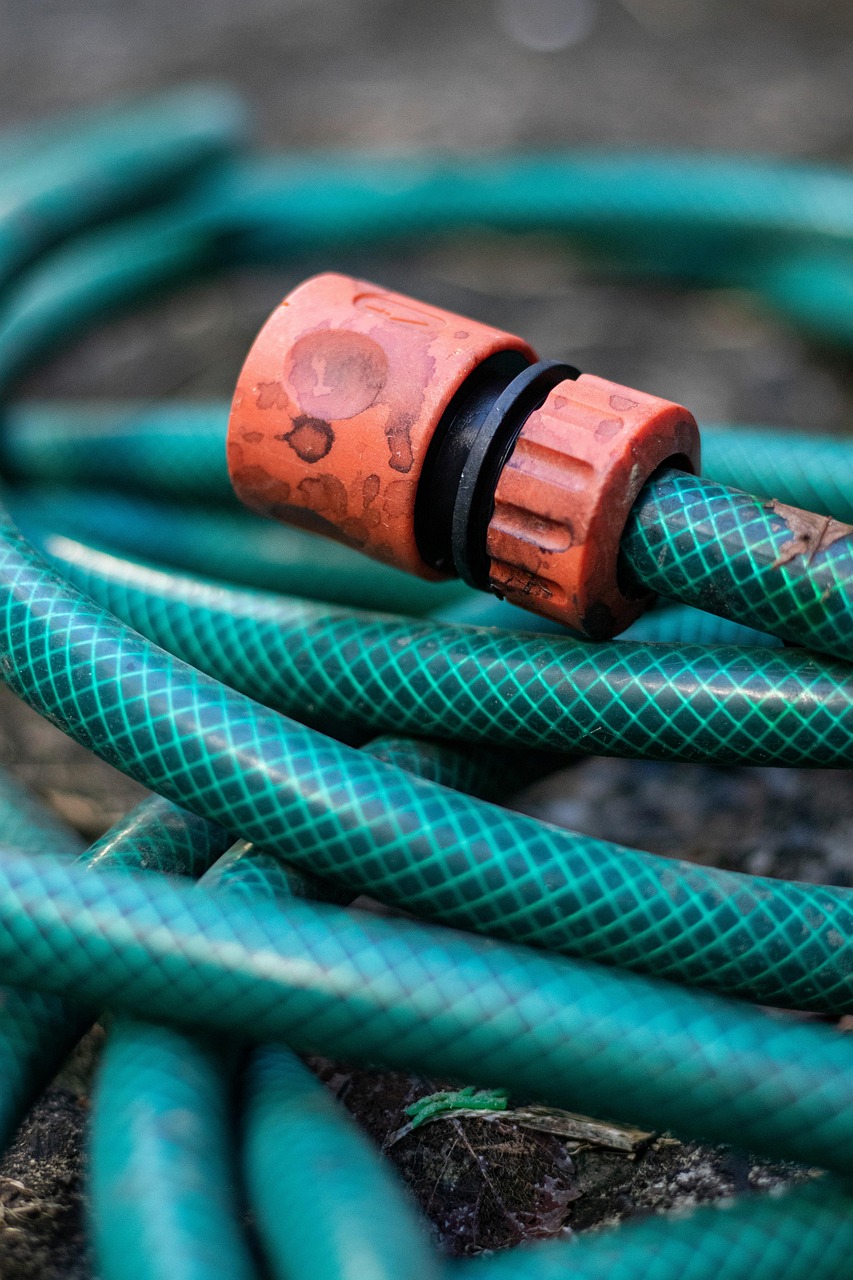
When the hot, dry months roll in, a soaker hose can make it a whole lot easier to keep the garden alive and well. These porous hoses provide users with the option to water their plants via a “set it and forget it” system, slowly releasing water directly into the soil toward a plant’s roots. But not all soaker hoses are equal when it comes to gardening or caring for plants, so we put 11 of the top-selling models to the test.
We hooked up the soaker hoses to an outdoor water spigot and observed how evenly they distributed water. We stretched them out, wound them around trees and plants, and carefully inspected each hose’s materials and fittings. Our overall winner was Water Right’s soaker garden hose, which boasts a flexible construction and high-quality fittings.
How we tested the soaker hoses
Quality and uniform water dispersion are critical factors in a soaker hose. A quality soaker hose will last all season (or even multiple seasons), while a poor one will be lucky to survive a single summer. We assessed how well each hose distributed water, how easy it was to wind around plants, how much water pressure it could withstand, and the quality of its fittings.
Each hose was tested at 20 PSI and, in some cases, at higher pressures up to 55 PSI. We measured the width of soil saturation after 30 minutes of watering and checked for leaks, kinks, and uneven flow.
Best overall: Water Right Soaker Garden Hose
Our Ratings: Setup 5/5; Maneuverability 5/5; Effectiveness 4.5/5; Durability 5/5; Value 5/5
Unlike other soaker hoses that contain chemicals, the Water Right Soaker Garden Hose is made of FDA-grade polyurethane, and the brass fittings are lead-free. When we first checked out this hose, our first thought was, Wow, how soft! The surface of the Water Right hose feels more like suede than polyurethane. On close examination, we could see the soaker holes were evenly spaced, about ¼ inch apart.
Its smooth, flexible design allowed us to wind it around the bases of shrubs without kinking. We conducted our tests while daytime temperatures were in the 40s, so we expected some brittleness due to cool temperatures, but the Water Right was flexible throughout.
We stretched the Water Right hose out for our coverage test, and after 30 minutes, the moisture from the hose saturated the soil about 6 inches on either side. That was with 20 PSI of water pressure—we used a pressure tester. When we increased the pressure to 40 PSI, we observed some spraying out of the holes. For gardeners who want a bit of misting along with drip-watering, this could be advantageous, but for our purposes, 20 PSI was all that was necessary.
Related: Unexpected reasons may explain hummingbird absence
The true intent behind this type of hose (chemical-free) is to supply the cleanest water possible for growing fruits and vegetables. While standard garden hoses do not pose a known risk of contamination, organic gardeners who want to grow the most natural produce possible may find the drinking water quality of the Water Right hose reassuring.
What our tester says: “When I turned the water on, this hose oozed droplets evenly. I checked the entire hose to see if any holes were plugged or gushing water. Nope. Along the entire length of the hose, the water seeped out uniformly.”—Glenda Taylor, Product Reviews tester and writer
Best for large areas: Secbulk 200-foot interlinkable soaker hose
Our Ratings: Setup 5/5; Maneuverability 5/5; Effectiveness 5/5; Durability 4.5/5; Value 5/5
The Secbulk 200-foot interlinkable soaker hose includes four 50-foot sections that easily fit together for watering large lawns, gardens, or flowerbeds. Made of clog-resistant fabric wrapped over a vinyl hose, the hose can be installed above ground or buried under up to 3 inches of mulch or soil.
Upon unboxing, we could immediately tell that this hose was of a higher quality than most of the others we had tried. It was soft to the touch, lightweight, and super flexible. While it came with garden staples, setup was so simple and the hose so pliable that we didn’t need them. When we turned our spigot on full pressure, the hose began releasing uniform drops of water, slowly delivering moisture to our plants. After about 30 minutes of running the hose, its area of coverage measured about 4 inches from side to side.
While it only took one 50-foot hose to water the flower bed near our house, we hooked up all four sections to reach a 200-foot length for our garden. This was a simple process, and we didn’t experience any leaking at the connections. For those who don’t need such a long hose but still want high quality, the Secbulk hose is available in smaller lengths, ranging from 10 to 150 feet.
Best budget option: Gilmour Flat Weeper Soaker Hose
Our Ratings: Setup 5/5; Maneuverability 5/5; Effectiveness 4/5; Durability 4/5; Value 4/5
This flat weeper soaker hose from Gilmour arrived in a small package weighing less than 1.5 pounds, and we had our doubts that it would be worthwhile for watering.
Related: Top Tree Swings for This Summer
We were wrong.
The Gilmour hose features a thin, flexible vinyl hose encased in a tightly woven fabric sleeve that keeps the interior vinyl from expanding too much, making it the perfect soaker hose for lawn watering. We stretched the Gilmour garden soaker hose out to its maximum length of 50 feet and connected it to the outdoor spigot. We turned on the water pressure to 20 PSI and observed the watering pattern. The hose became round under pressure, and water came out in a mostly uniform fashion, although some hose areas seemed to emit slightly more water than others. We then wound the hose around the bases of trees and shrubs and turned the water on for 30 minutes.
After our test watering was complete, we inspected the ground’s dampness around this Gilmour soaker hose. The water had saturated a swath about 8 inches wide on both sides of the hose. We then drained the water from this small soaker hose, and we were able to roll it around an old cardboard paper towel core, reducing its size to less than a foot in diameter.
The Gilmour hose is budget-friendly and well suited to directing water to the bases of plants, but we felt it was slightly on the delicate side. It worked well with low water pressure, but we would not recommend using it with higher water pressure (over 25 PSI).
Most durable: H2O Works Soaker Hose
Our Ratings: Setup 4/5; Maneuverability 5/5; Effectiveness 4.5/5; Durability 5/5; Value 4.5/5
Two things stood out immediately upon unboxing the H2O Works Soaker Hose: its bright blue color and the fact that, although this is a flat hose, it’s made from flexible, high-tensile PVC rather than thin vinyl covered with fabric. When we turned on the water pressure, the H2O Works became a round soaker hose with weep holes on all sides, and it was a simple process to wind it around bushes and plants without the hose kinking.
The H2O hose distributed water evenly along its 50-foot length with just 20 PSI of water pressure. Since it’s made to withstand higher pressure, we turned the spigot all the way up, which was about 55 PSI. Water output increased, and we noted a bit of spraying, but other than that, the hose held firm. When it was time to store the hose, it flattened once again for easy rolling, and we were able to wind it up around our hose reel without kinking.
The H2O comes infused with UV protectors to resist damage from harsh sun rays, and it features durable brass end couplings that showed no signs of leaking, even under high pressure. The blue color is eye-catching, but we found it to be a little too colorful for our tastes. It definitely stands out wherever it is placed, so unless gardeners want a bright blue stripe in their landscaping, it will have to be covered with mulch.
Related: Plant Sunflowers Now for Happiest Garden
Best 2-in-1: Swan Element Sprinkler+
Our Ratings: Setup 5/5; Maneuverability 5/5; Effectiveness 4.5/5; Durability 4/5; Value 5/5
Those looking for an affordably priced hose that can do it all should look no further than the Swan Element Sprinkler+. It features a flexible design that’s easy to position and has six holes for every foot of hose. One side of the hose has a white stripe, and the other side is solid green. When the white strip is positioned upright, the hose acts as a sprinkler; when it’s positioned facing down, it works as a soaker hose.
We tested this hose in both positions (as a soaker and a sprinkler). While the soaker did a good job of dripping water to our plants’ roots, we also appreciated the wide spray pattern the sprinkler hose provided. We let it run for 30 minutes and then measured how far the spray reached, which turned out to be over 4 feet. While we tested this in a flower bed near our house, we plan on using it between garden rows to water our vegetable plants on hot, sunny days.
After use, we drained this flat sprinkler hose by unscrewing the male end fitting and allowing any stored water to run out. Since the hose is lightweight and flexible, it was easy to wind back up for storage. There’s not much we don’t like about this hose. If we were to nitpick, our only complaint would be that it has plastic connectors rather than brass fittings.
Best customizable system: Taisia 1/2-Inch Soaker Hose
Our Ratings: Setup 5/5; Maneuverability 3.5/5; Effectiveness 4/5; Durability 5/5; Value 4/5
In our tests, we found that this soaker hose system from Taisia maintained equal pressure from end to end, a sometimes-challenging accomplishment for longer-length soaker hoses. We started testing the Taisia hose at 20 PSI and found that it was sufficient for even water distribution. Then, we turned up the pressure to 40 PSI and noted that the droplets came out faster, but we didn’t observe any spraying or leaks. The distribution was still even and uniform.
The hose was relatively easy to wind around the bases of trees and shrubs, but it was slightly stiff to begin with. Keep in mind that the outdoor temperature was in the 40s when we tested this hose, which kept it from being as flexible as it would be on an 85-degree summer day. As the sun shone on the hose, it warmed up slightly and was more flexible.
The hose did develop a couple of kinks we had to work out. This, too, would likely be less of an issue in warmer weather when the hose was more flexible. An added feature of the Taisia hose is the ability to adapt it to a custom watering configuration. This is possible via a set of plastic soaker hose connectors, T-fittings, and end caps (all included), all of which allowed us to cut sections of the hose and fit them together to form watering “branches.” We didn’t have any problem with leaking fittings, which was a big plus.


