Four Quick Remedies to Eliminate Fungus Gnats
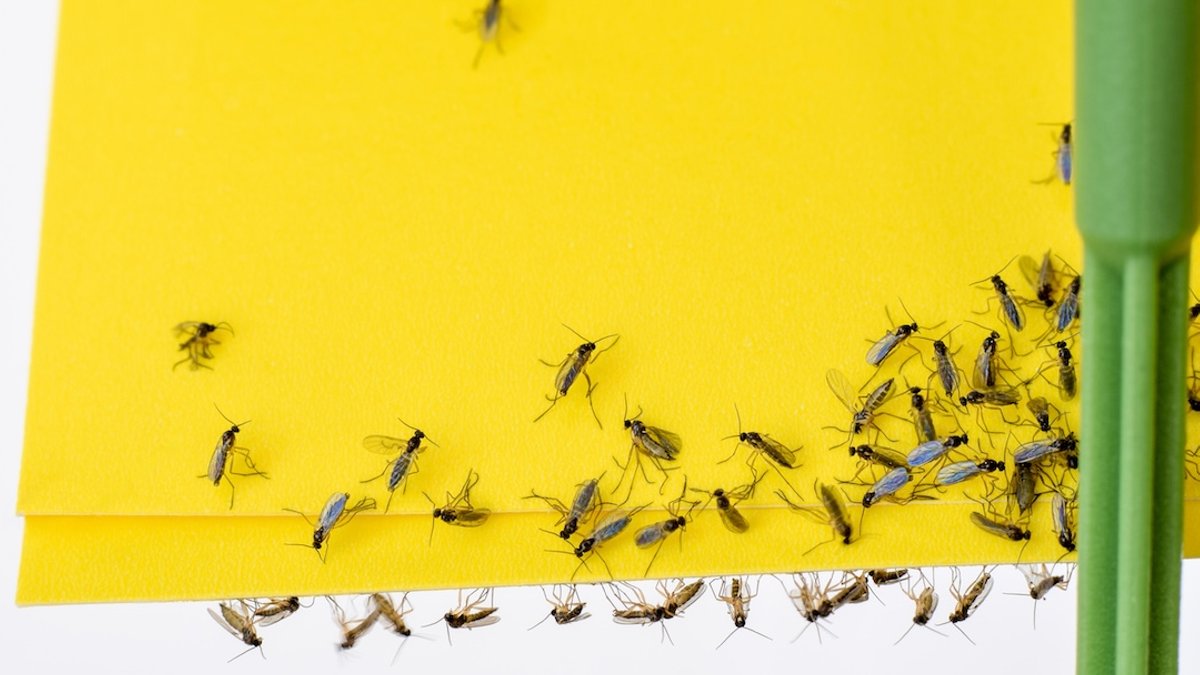
Fungus gnats can turn a thriving indoor garden into an irritating swarm of tiny flies, but a handful of straightforward steps can bring the infestation under control without resorting to harsh chemicals.
Identify the problem and set up traps
These insects, members of the Sciaridae family, thrive in moist, organic potting mixes. Adult females lay eggs in the top layer of soil, where the larvae hatch and feed on fungi and sometimes on plant roots. Within two weeks the cycle completes, releasing more adults that hover around the foliage.
Before treating, confirm you’re dealing with fungus gnats rather than fruit flies or drain flies. A quick test involves placing a thin slice of raw potato on the soil surface; after a few days, black‑capped larvae under the potato indicate gnats.
Sticky traps—yellow adhesive cards or stakes—are a low‑cost way to catch flying adults. For maximum coverage, lay a trap horizontally on the soil with the sticky side up, or attach a sticky stake vertically so the loop touches the surface. Replace the traps regularly and dispose of them in a sealed bag.
Related: Amazon Cuts Prices on Outdoor Power Tools
Replace soil and add a barrier
Removing the infested top two inches of potting mix eliminates most eggs and larvae. Fill the cavity with fresh, sterile soil and top it with a half‑inch layer of sand or diatomaceous earth. Both materials dry quickly, discouraging gnats from returning.
While the soil replacement tackles the hidden stage of the pest, it also improves drainage, reducing the moisture level that gnats love.
For many gardeners, the most satisfying part of the process is watching the trap count drop. As the adult population dwindles, fewer eggs are laid, and the barrier prevents new larvae from finding a foothold.
Regular monitoring is essential. A steady reduction in trapped adults signals that the combined tactics are working, but any rebound should prompt a repeat of the soil replacement step.
Related: Amazon slashes pizza oven prices for summer
Balancing moisture needs with gnat prevention is the hardest part for many plant owners. Overwatering is the most common cause of infestations, yet most indoor plants still require consistent watering to stay healthy.
Prevent future infestations
Beyond the immediate cleanup, long‑term prevention hinges on a few simple habits. Always start with sterilized potting mix, and avoid adding garden compost unless it has been fully composted and heated. When repotting, discard any old soil that shows signs of dampness or fungal growth.
Solarizing soil—sealing it in a plastic bag and exposing it to direct sunlight for several weeks—can kill dormant eggs and spores before they ever reach the pot. For gardeners who prefer a quicker method, a layer of sand or diatomaceous earth on the soil surface creates a dry barrier that gnats find difficult to cross.
Finally, keep new plants isolated for a few weeks to spot any hidden pests before they mingle with the rest of the collection. This quarantine step, combined with the other measures, reduces the likelihood of a recurring problem and helps maintain a healthier indoor garden.


