Unexpected reasons may explain hummingbird absence
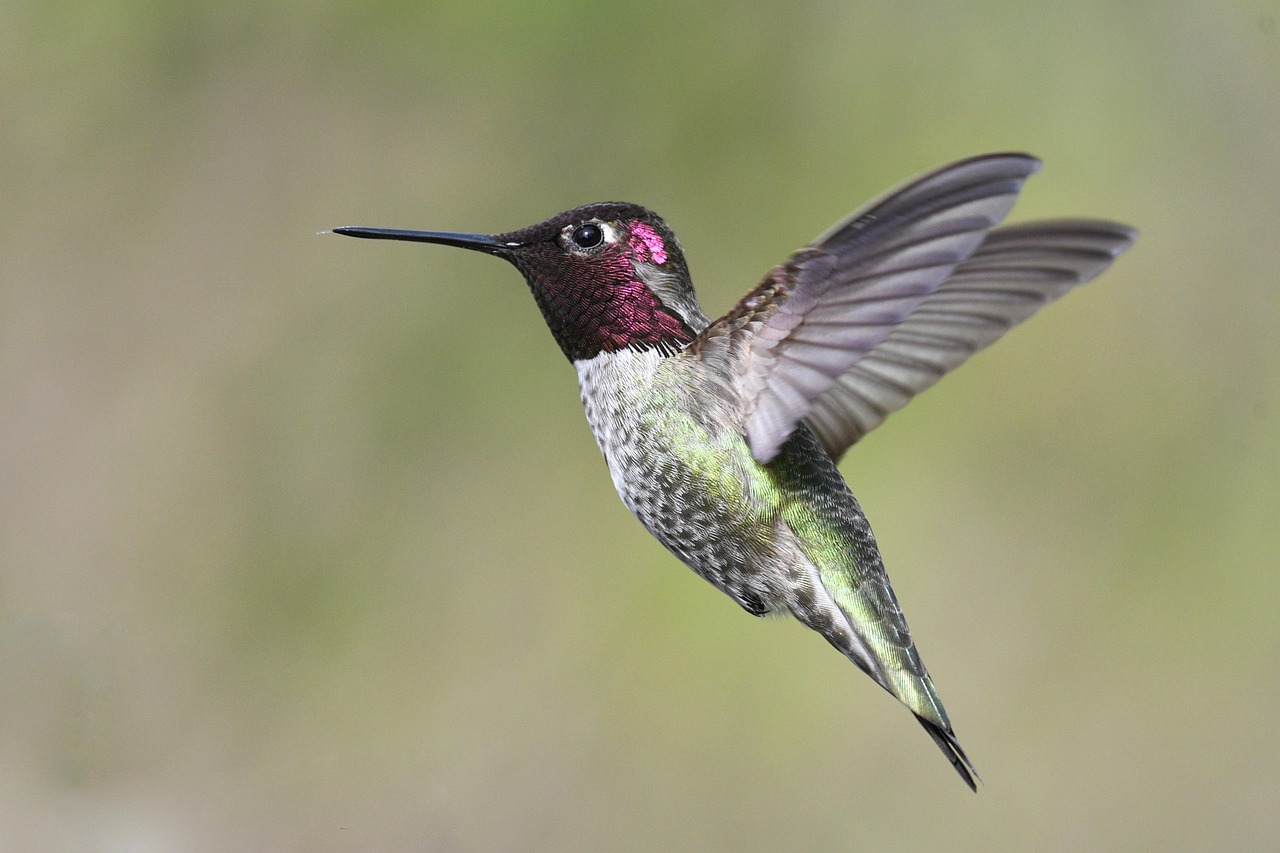
Hummingbirds may not be showing up at your feeder despite your efforts. These tiny birds, which consume up to twice their body weight in nectar daily, rely on consistent food sources. Yet many backyard enthusiasts report empty feeders, even after hanging them in visible spots. The issue often lies in feeder placement, maintenance, and the environment around them.
Feeder Placement and Competition
A single hummingbird, usually a male, may claim a feeder and chase others away. To encourage more visitors, hang multiple feeders spaced at least 10 feet apart. This strategy allows dominant birds to defend their spot while others explore nearby options. The Aspects HummZinger saucer feeder, with four ports, is one option that supports this approach.
Related: 17 million US homes go without fossil fuels
Ants, bees, and wasps can also deter hummingbirds. Use fishing line to hang feeders, as ants struggle to climb it. Adding an ant moat above the feeder creates a water barrier. Saucer-shaped feeders, like the Juegoal model, are less appealing to insects and reduce dripping, making them easier to maintain.
Water and Bathing Needs
Hummingbirds require water for bathing, not drinking. They rarely use traditional birdbaths but are drawn to misting features. A shallow solar-powered fountain, such as the AISITIN model, produces fine sprays that attract them. Position it near feeders and under trees for perching spots.
Keep the fountain close to feeders but avoid direct sunlight to prevent overheating. This setup helps birds clean their feathers, removing nectar residue and pests without risking dehydration.
Related: Worlds Leading Architecture and Design Magazine Online
Feeders Need Regular Cleaning
Mold and bacteria grow quickly in sugary nectar, which can sicken hummingbirds. Scrub feeders weekly, more often in heat. Dishwasher-safe models simplify this task. For hand-washing, soak parts in soapy water, scrub with a brush, and rinse thoroughly. Let all components dry before reassembling.
Replace nectar twice weekly in cool weather, and daily when temperatures hit 80°F or higher. Store unused nectar in the fridge. Avoid direct sunlight for feeders to slow spoilage. Clear commercial nectar or a 1:4 sugar-to-water mix works well, though red food coloring may be harmful.
Related: The Future of House Design: What to Expect
Timing and Regional Considerations
Hummingbirds visit feeders during warmer months, but timing depends on location. In the south or mild climates, hang feeders in mid-March. In colder regions, wait until early April. In Southern California, where birds stay year-round, feeders can remain up permanently.
Remove feeders two weeks after sightings stop, usually mid-October in the north and early November in the south. Leaving them up after migration won’t discourage birds but serves no purpose once they’re gone.


