Wild animal prints prowl back into homes
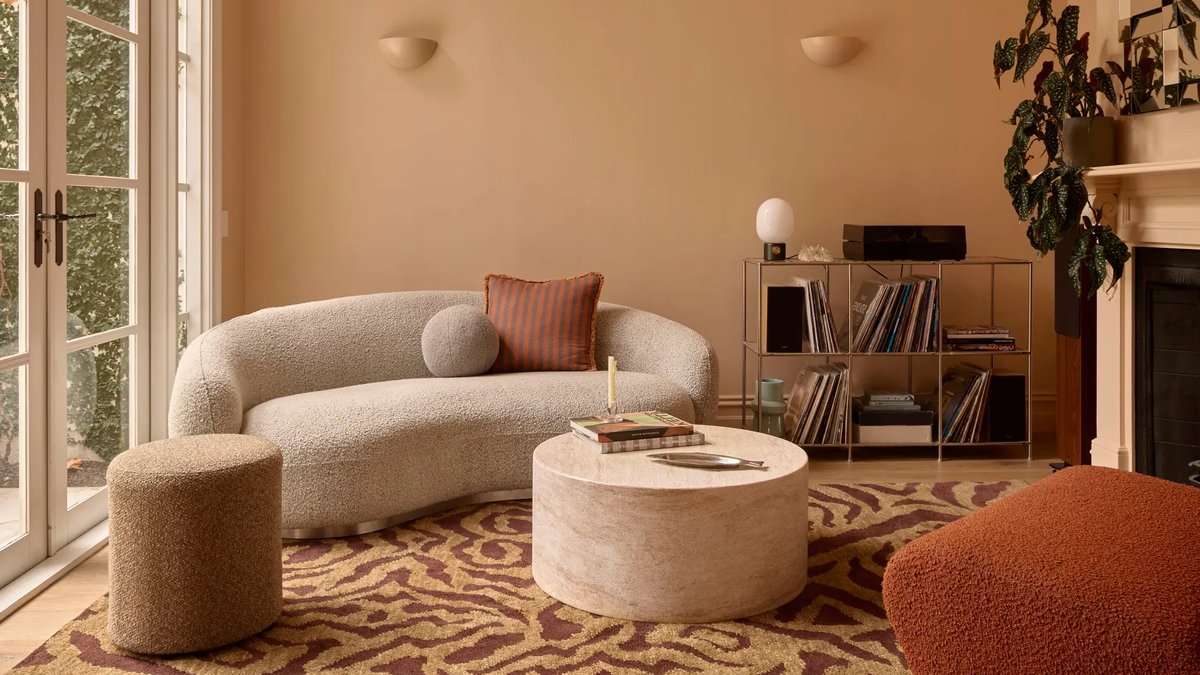
Animal print rugs are returning to living rooms, framed as neutral foundations rather than bold statements. A new collection from an Australian washable rug brand presents these patterns as adaptable textures that ground a space without dominating it.
Patterns reworked as neutral layers
The seven designs, developed over three years, reinterpret classic motifs like leopard and zebra through abstract shapes and softer colors. One rug features a fine-cut wool pile in gold, inspired by leopard print but scaled back to complement timber furniture and stone accents. Another uses a black woven tuft to reimagine zebra stripes as a geometric grid, making it feel more like a textured backdrop than a focal point.
All rugs in the collection are crafted from 100 per cent New Zealand wool and are machine-washable. The materials were selected to withstand daily wear while keeping a soft, natural feel underfoot.
Gabriela Vargas, the brand’s design manager, explained that adjusting scale and color changed how the patterns functioned. They could ground a room just as effectively as a plain wool rug while adding subtle character. The change reflects a broader movement in interiors toward more personal expression rather than relying solely on tonal neutrals.
Animal print has a long history in textiles, but its recent return in design circles shows a new way of thinking about its role. Instead of limiting it to small accents, designers are now using these patterns on larger surfaces like floors and walls to add warmth and movement without bright colors.
How to style the look without overdoing it
The brand recommends treating the rug as a base layer rather than a centerpiece. In a minimalist room, a hand-knotted wool rug in sienna works well with linen upholstery and natural wood. For a more eclectic space, a darker espresso-toned rug pairs nicely with blush pink walls, letting vintage sconces and metallic accents stand out without competing.
Mixing textures helps soften the effect. Layering a wool rug with jute or sisal underneath, or adding woven baskets and ceramics, prevents the print from feeling overwhelming. The brand advises against matching animal prints in other decor elements, such as throw pillows or wallpaper, to keep the look cohesive.
This method aligns with a larger trend in interior design. Patterns are no longer confined to small doses but are now used to define entire spaces. The difference lies in the execution—prints are subtler, colors are more subdued, and materials are chosen for their ability to blend rather than stand out.
Vargas noted the goal was to position animal print as a lasting design choice, not just a fleeting trend. “We want people to reconsider these patterns,” she said. “They can be another tool for creating a home that feels uniquely yours.”
The collection is sold exclusively online, with pricing that reflects its handcrafted quality and washable features.


