Ricotta Boosts Moisture in Poultry Meatballs
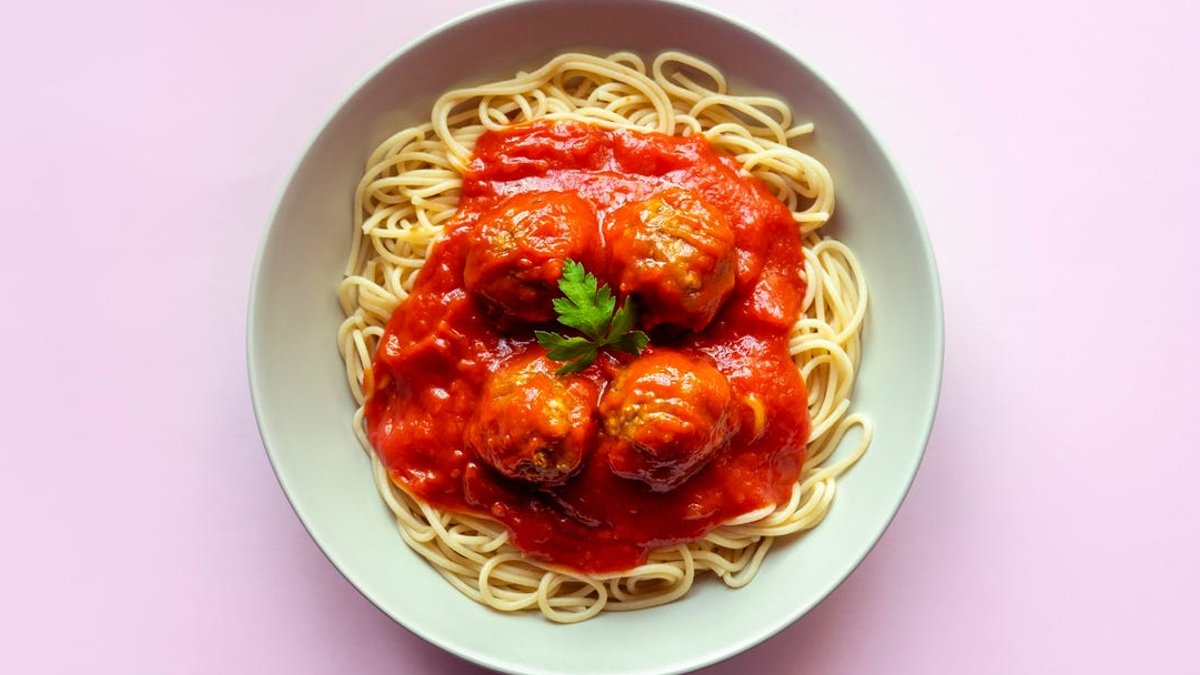
A culinary technique involving ricotta cheese in poultry meatballs has gained attention for enhancing moisture and texture. The method, popularized by a cook at an Italian restaurant in Chicago, suggests incorporating ricotta into turkey or chicken meatballs to combat dryness common with lean ground poultry. Ricotta, known for its creamy consistency, adds richness and helps create a tender, silky result when mixed into the meat. This approach not only improves the eating experience but also offers a practical solution for home cooks and professional chefs alike who seek to raise humble ingredients into something special.
The recommended ratio is ½ to 1 cup of ricotta per pound of ground meat. Starting with ½ cup aids in shaping the meatballs, while more ricotta increases tenderness. Overmixing, however, can lead to a soft mixture that loses structure, so careful handling is essential. Whole-milk ricotta provides maximum richness, though part-skim or low-fat versions work as well, allowing cooks to adjust based on dietary preferences or ingredient availability. The choice of ricotta type impacts both flavor and texture, making it a critical variable in achieving consistent results.
To prepare, combine ricotta and eggs first to create a cohesive base, then add binders like breadcrumbs along with flavorings. Gently fold in the ground meat last to prevent overmixing, which can toughen the final product. Ingredients such as grated Parmesan, fresh herbs, lemon zest, and spices like red pepper flakes can enhance the base, adding layers of flavor that complement the creaminess of the ricotta. Salt and pepper remain essential, ensuring the meatballs are well-seasoned before cooking.
Read Also: New BBC Legal Drama and ITV Detective Series Debut This
Handling the meatballs with care is key to maintaining their tenderness. Packing or rolling them tightly should be avoided to prevent compacting the mixture, which could result in dense, dry centers. An instant-read thermometer should confirm an internal temperature of 165°F for safety. Cooking times must balance thoroughness with avoiding dryness, whether the meatballs are baked, fried, or simmered in sauce, as each method requires attention to preserve their delicate texture.
Serving options are versatile, allowing for creative interpretations of classic dishes. Traditional preparations include spaghetti with marinara or meatball subs, but they also complement grain bowls, salads, or Mediterranean wraps with tzatziki and pita. The meatballs’ moisture makes them suitable for various meals, encouraging cooks to experiment beyond traditional tomato-based sauces. Their adaptability ensures they can transition seamlessly from weeknight dinners to weekend gatherings, proving that simple ingredients can yield impressive results.


