Expert shares step-by-step method for cleaning stubborn sliding door tracks
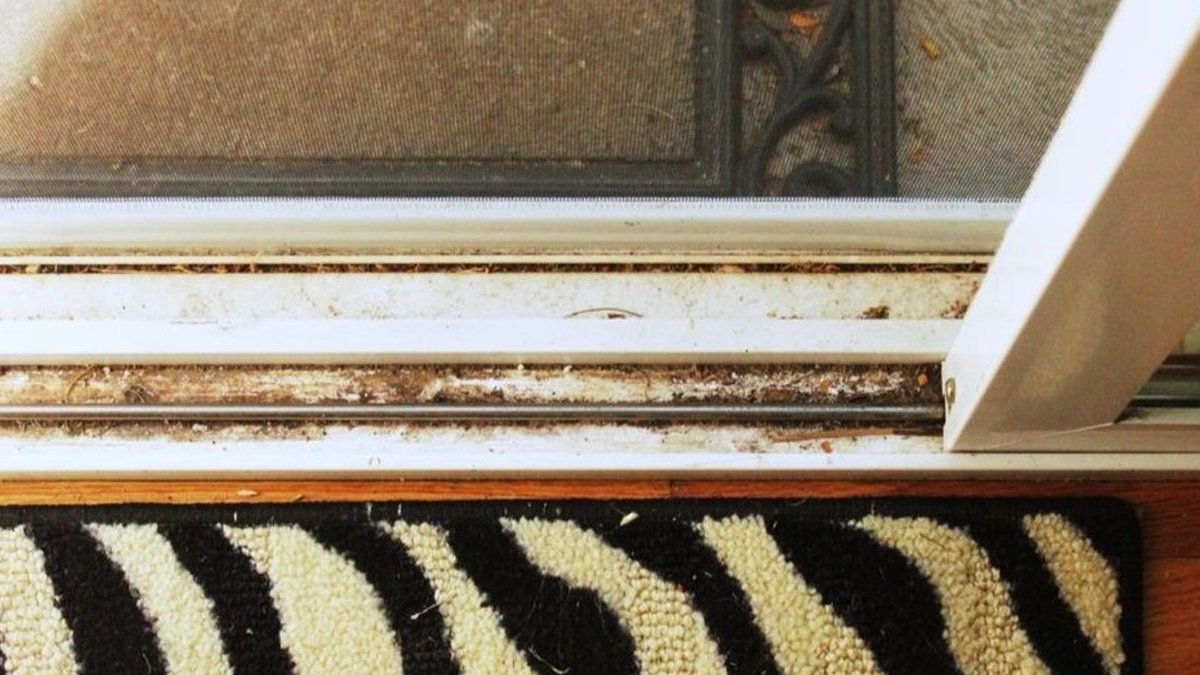
Cleaning a sliding glass door track requires a precise method to avoid worsening the mess. Directly spraying cleaner onto packed grime forces dirt deeper into the narrow grooves, creating a stubborn residue. The solution lies in removing loose material first before applying any moisture. This staged approach prevents the problem from becoming more difficult to resolve.
Cleaning expert Brittney Smart outlined the correct process for restoring a metal track heavily caked with dirt. The first step involves using a vacuum with a narrow attachment to pull out loose debris, leaves, and dust from the track’s channels and edges. Both shop vacuums and household models equipped with a crevice tool can perform this task effectively. The primary objective is to eliminate as much debris as possible before introducing any liquid cleaner.
Once the surface is mostly free of loose material, a dry toothbrush becomes the next tool. Its small bristles work to dislodge dirt lodged against the rail and in tight corners where a cloth cannot reach. Smart demonstrated the technique by working along the track with short, firm strokes, paying special attention to the narrow gaps where the door frame meets the metal. Keeping the brush dry ensures that loosened dirt remains accessible for the vacuum rather than spreading across the surface.
Read Also: Garage-sale bookcases revamped for child’s bedroom
After brushing, a second vacuum pass removes the dislodged debris. This step is essential because it prevents larger particles from becoming trapped in cleaner later. With the track now mostly clear, Smart applied just enough all-purpose cleaner to dampen the remaining residue. She took care not to oversaturate the grooves, as excess moisture could pool in corners and cause further issues.
A rinsed toothbrush then scrubbed the edges and corners again, this time using a small amount of cleaner to break down any leftover grime. The final stage involved wiping the track with a folded paper towel, using its narrow point to reach deep into the channels. This step absorbed excess moisture and lifted any remaining dirt, restoring the metal rail and white channels beneath.
The transformation in the before-and-after results highlights the effectiveness of the method. The originally darkened track, obscured by packed debris, revealed its clean metal rail and white channels after the process. While some faint discoloration remained, the loose dirt and stubborn clumps had been removed entirely. The method’s effectiveness depended on removing dirt before introducing moisture, rather than relying solely on a single product or technique.
Related Stories
 Smart Home Spotlight
Singapore Condo Price Gap Narrows to 25-Year Low
 Smart Home Spotlight
Hand-Painted Thanksgiving Sign Crafted With Drill, Paint, Stain
 Smart Home Spotlight
Craftswoman Transforms Walnut Slab into Modern Console Table
 Smart Home Spotlight