Dryer lint used as fire starters
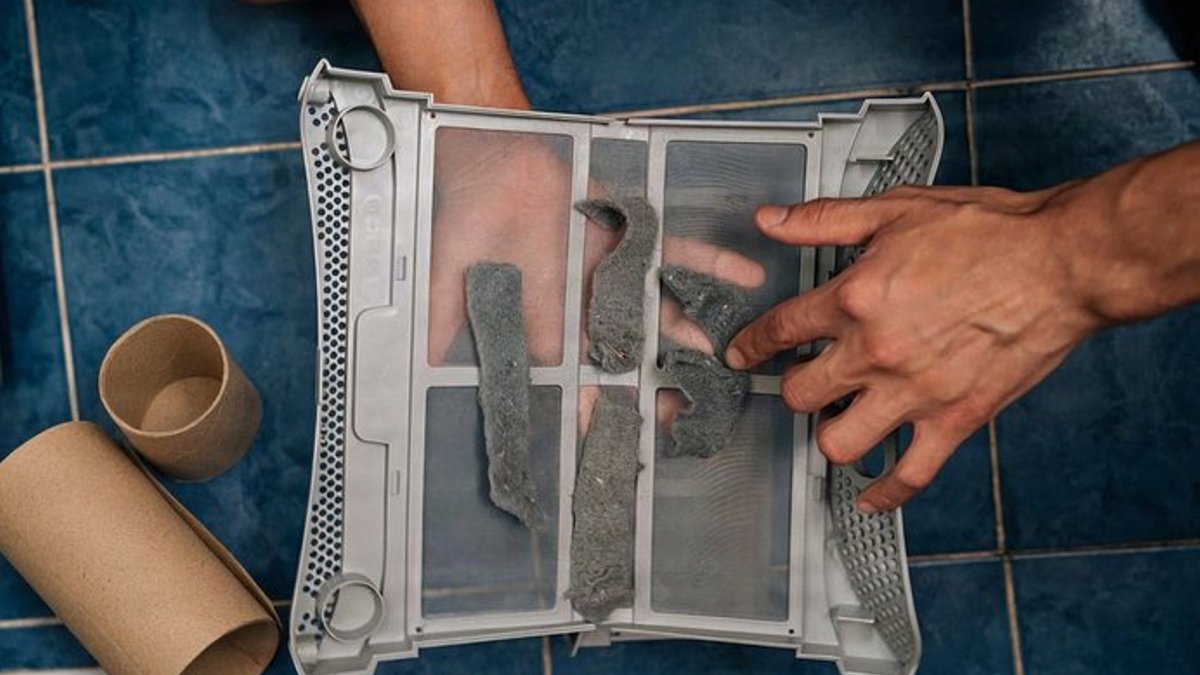
Every load of laundry ends with a familiar routine: removing a gray sheet of fluff from the lint screen and disposing of it. However, this fluff, known as dryer lint, can be repurposed as a simple fire starter when combined with an empty toilet paper roll. The National Park Service recommends storing dryer lint in toilet paper rolls in a dry place and using it to start fires in fireplaces or campfires.
The reason lint catches fire so easily is due to its composition: a loose mat of tiny fibers shed by clothes, towels, and sheets, with plenty of air trapped between them. This makes it highly flammable, and the National Park Service emphasizes the importance of cleaning the lint filter to prevent fires.
Fire Risks and Prevention
Citing the U.S. Consumer Product Safety Commission, the National Park Service reports that clothes dryer fires occur approximately 15,500 times a year, resulting in an average of 10 deaths, 310 injuries, and over $84 million in property damage. Lint is identified as the major contributing factor to these fires.
To minimize the risk of fires, it is essential to clean the lint screen regularly and store the collected lint in a safe and dry place. They suggest using empty toilet paper rolls to store the lint, which can then be used as fire starters.
Read Also: Coffee Grounds Likely Won’t Boost Holiday Cactus Blooms
Creating Fire Starters
Converting lint into fire starters is a straightforward process. After each load, clean the lint screen and push the collected lint into an empty toilet paper roll until it is full and firm. Store the filled rolls in a closed box or bin, away from heat sources.
When needed, place a lint-filled roll under kindling in a fireplace, fire pit, or campfire ring, and light the lint at one end. This simple and effective method can help start fires easily and safely.
In addition to its use as a fire starter, lint can also be repurposed in other ways, such as adding it to compost piles or worm farms, using it as a draft stopper, or as cushioning material for shipping small items.
Best Practices
It is also important to exercise caution when handling lint, avoiding the use of lint from items that have been soiled with flammable substances, and refraining from using lint as stuffing for children’s toys due to its flammability. The National Park Service provides these guidelines to ensure safe handling and use of lint.
Related Stories
 Interior Trend Report
Dryer lint used as fire starters
 Interior Trend Report
Singapore’s MacPherson Weave blends affordability with smart urban design
 Interior Trend Report
Rare GCB Pair Near Botanic Gardens Listed for $53 Million
 Interior Trend Report